

07884 989404
info@darkcyan-horse-266782.hostingersite.com

Unit 13-14 Upper Villiers Street, Wolverhampton, United Kingdom, WV2 4NP


In today’s digital landscape, social media has become a powerful tool for businesses to connect with their audience. However, getting likes on social media is just the beginning. To truly benefit from social platforms, businesses need to convert those likes into leads and ultimately, customers. This blog will explore effective strategies to turn your social media likes into valuable leads that drive business growth.
Before diving into conversion strategies, it’s crucial to understand your audience. Who are they? What are their pain points and interests? By knowing your audience, you can tailor your social media content and offers to resonate with them effectively.
Compelling content is key to engaging your audience and turning likes into leads. Use eye-catching visuals, interactive polls, informative videos, and compelling captions to grab attention and encourage interaction.

Visual Appeal: Utilize high-quality images, graphics, and videos that resonate with your audience’s interests and preferences. Incorporate visually appealing design elements such as colors, fonts, and layouts that enhance readability and convey your message effectively.
Interactive Elements: Engage your audience through interactive features like polls, quizzes, and surveys. Encourage participation by asking thought-provoking questions, soliciting feedback, and creating opportunities for users to share their opinions and experiences.
Informative Content: Offer valuable information, insights, and solutions that address your audience’s pain points and interests. Provide in-depth analysis, case studies, tutorials, and industry updates to establish credibility, build trust, and position your brand as an authority in your niche.
Compelling Captions: Craft compelling captions that capture attention, evoke emotions, and prompt action. Use storytelling techniques, humor, personal anecdotes, and calls to action (CTAs) to connect with your audience on a deeper level and encourage them to like, share, comment, and take desired actions.
Consistency and Adaptability: Maintain a consistent posting schedule to keep your audience engaged and anticipate your content. Monitor trends, feedback, and analytics to adapt your content strategy, optimize performance, and stay relevant in a dynamic digital landscape.
Every piece of content should have a clear call-to-action (CTA) that prompts users to take the next step. Whether it’s signing up for a newsletter, downloading a free guide, or requesting a consultation, CTAs guide users toward becoming leads.

Crafting effective CTAs is essential for driving user engagement and conversions. A well-crafted CTA not only captures attention but also entices users to act. Consider using action-oriented language that conveys value and urgency, such as “Get Started Today” or “Unlock Exclusive Offers Now.”
Social proof, such as customer testimonials, case studies, and user-generated content, can significantly impact conversion rates. Showcase positive experiences from existing customers to build trust and credibility.
| Aspect | Explanation |
| Social Proof Types | Customer Testimonials: Direct quotes or videos from satisfied customers sharing their positive experiences. <br> Case Studies: Detailed accounts of successful projects or outcomes. User-Generated Content: Reviews, ratings, and comments from users showcasing real-life experiences. |
| Impact on Conversion Rates | Social proof can boost conversion rates by providing evidence of your product or service’s value, addressing potential buyer concerns, and creating trust with prospects. |
| Building Trust and Credibility | By showcasing positive experiences from existing customers, you establish credibility and authenticity, making it easier for potential customers to trust your brand. |
| Implementation Strategies | Feature Testimonials Prominently: Place testimonials on key pages, such as the homepage or product pages. Create Compelling Case Studies: Highlighting specific benefits and results. Encourage User-Generated Content: Offer incentives for customers to leave reviews or share their experiences. |
| Continuous Monitoring and Updates | Regularly update social proof elements to keep them fresh and relevant. Monitor feedback and address any negative comments or reviews promptly to maintain trust. |
Paid social media ads allow you to target specific demographics, interests, and behaviors, increasing the likelihood of reaching potential leads. Use retargeting ads to re-engage users who have shown interest but haven’t converted yet.
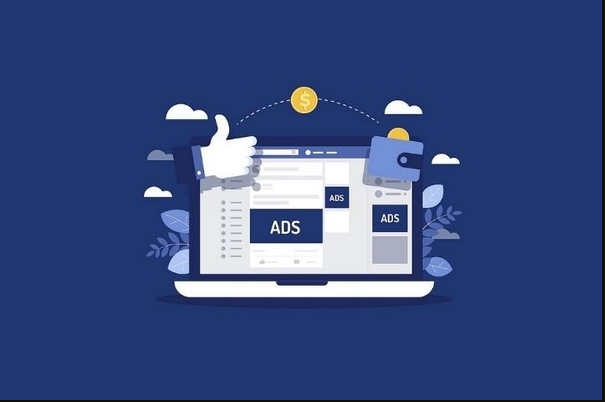
Active engagement with your followers humanizes your brand and fosters relationships. Respond promptly to comments, messages, and mentions, and participate in relevant conversations to nurture leads and encourage conversions.
Regularly analyze your social media performance using analytics tools. Identify what’s working well and what can be improved, then optimize your strategies accordingly to maximize
In addition to analyzing your social media performance and optimizing strategies, it’s crucial to stay updated with the latest trends and algorithms on various platforms. This includes understanding your target audience’s behavior and preferences, staying engaged with industry news and best practices, and adapting your content and tactics accordingly.
By staying proactive and agile in your approach, you can continually refine your social media strategies for optimal performance and conversion rates.
Turning likes into leads requires a strategic approach that combines compelling content, clear CTAs, social proof, targeted ads, active engagement, and continuous optimization. By understanding your audience and implementing these strategies, you can transform your social media presence into a powerful lead-generation engine.
Read more: SEO for Ecommerce websites
Understanding your audience is crucial because it helps you create content that resonates with their interests and needs. By knowing your audience, you can tailor your messages, offers, and CTAs.
Visual content such as high-quality images, videos, and graphics tend to be very engaging. Interactive content like polls, quizzes, and surveys can also encourage user participation and interaction, leading to more leads.
CTAs should be clear, action-oriented, and placed strategically where they are easily noticeable. You can place CTAs at the end of your posts, within engaging visuals, or even in your captions.
Showcasing customer testimonials, case studies, and user-generated content are excellent ways to provide social proof.

Welcome to my blog! With over 10 years in digital marketing , I’ve seen its incredible impact on smaller businesses. Join me as we explore how digital marketing can grow your audience and boost your business. Whether you’re an experienced entrepreneur or just starting out, you’ll find practical tips and insights to enhance your digital marketing strategies.
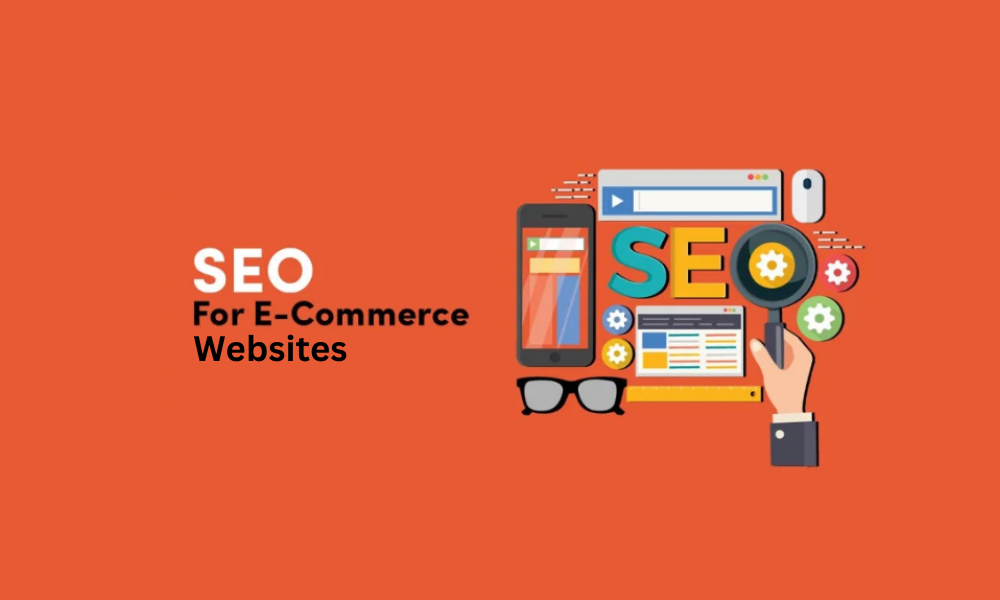
In the digital age, where online shopping has become the norm, SEO for e-commerce websites is crucial for standing out in a competitive market. SEO (Search Engine Optimization) plays a vital role a improving visibility on search engine results pages (SERPs). To help your e-commerce business thrive, here are some best practices for effective SEO implementation:
SEO for e-commerce websites involves optimizing product pages, category pages, and overall site structure to rank higher on search engines like Google, Bing, and Yahoo. It focuses on improving visibility, driving relevant traffic, and ultimately increasing sales.
Before diving into advanced strategies, it’s essential to understand the basics of e-commerce SEO, including keyword research, on-page optimization, off-page optimization, and technical SEO elements.
| Aspect | Explanation |
| Keyword Research | This involves identifying relevant keywords that your target audience uses when searching for products or services. |
| On-Page Optimization | Refers to optimizing elements on your website such as titles, meta descriptions, headings, and content for SEO. |
| Off-Page Optimization | Involves activities outside your website, like building backlinks from reputable sources to improve your site’s authority. |
| Technical SEO Elements | Focuses on technical aspects like site speed, mobile-friendliness, URL structure, and schema markup for better search engine visibility. |
Conduct thorough keyword research to identify high-volume, relevant keywords for your products. Use tools like Google Keyword Planner, SEMrush, or Ahrefs to discover search terms that align with your offerings and target audience.
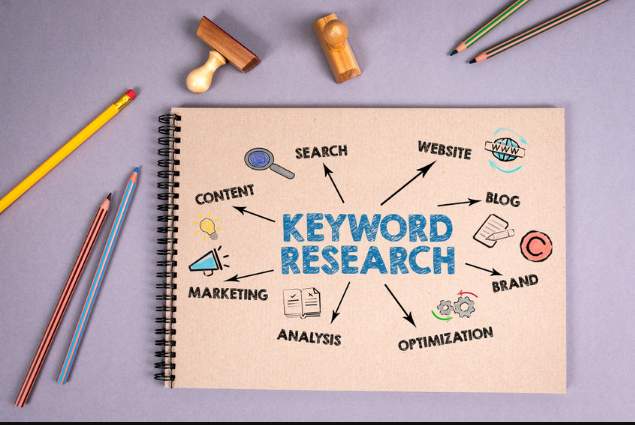
Craft compelling title tags and meta descriptions for each product page, incorporating relevant keywords and enticing language to encourage clicks.
Write unique and informative product descriptions that highlight features, benefits, and solutions for customers. Optimize content with keywords naturally without keyword stuffing.
Optimize product images by using descriptive filenames, alt text, and compressed file sizes to improve page load times and enhance user experience.
Create SEO-friendly URLs that are concise, descriptive, and include relevant keywords to improve visibility and click-through rates.
Earn high-quality backlinks from reputable websites in your industry to improve domain authority and organic search rankings. Integrate social sharing buttons and encourage social engagement to amplify brand visibility and attract potential customers.
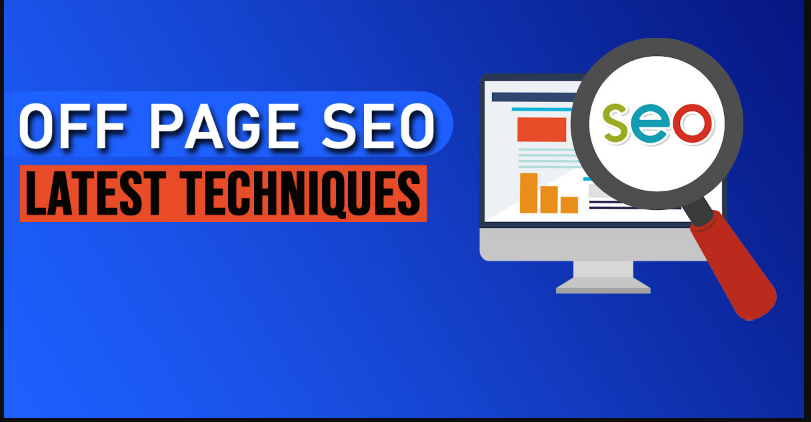
Additionally, integrating social sharing buttons on your website and actively encouraging social engagement can further amplify your brand’s visibility. Social media platforms are powerful channels for reaching a wider audience, driving traffic to your site, and increasing brand awareness.
By regularly sharing valuable content, engaging with your audience, and encouraging them to share your content, you can attract potential customers and enhance your brand’s online presence.
Another off-page optimization strategy is to participate in online communities and industry-specific directories. Joining relevant forums, groups, and communities allows you to network with peers, share insights, and showcase your expertise. Participating in industry directories and listings not only improves your website’s visibility but also helps potential customers find your business more easily.

Optimize site speed and ensure mobile responsiveness to provide a seamless user experience across devices, which positively impacts SEO rankings.
Implement structured data markup (Schema.org) to enhance search engine understanding of your products, leading to rich snippets in search results.
Use canonical tags to avoid duplicate content issues and implement pagination best practices for large product catalogs.
Utilize tools like Google Analytics and Search Console to monitor website performance, track keyword rankings, and identify areas for improvement. Invest in SEO tools for comprehensive keyword analysis and overall competitor insights.
Develop a content strategy for your e-commerce blog, focusing on creating valuable, SEO-optimized content that addresses customer pain points, educates, and builds brand authority.
Publish informative articles, buying guides, and product reviews to attract organic traffic and engage potential customers accordingly throughout their buying journey.
Implement strategic internal linking to connect related pages within your website, distribute link equity, and further improve crawlability for search engines.
Implementing SEO best practices for e-commerce websites is an ongoing process that requires continuous monitoring, optimization, and adaptation to search engine algorithms. Furthermore, by focusing on keyword research, on-page and off-page optimization, technical SEO, and content strategy, you can improve organic visibility, drive targeted traffic, and increase conversions.
Read more : 5 Ways a Revamped Website Can Boost Your Sales
Mobile optimization is crucial for e-commerce SEO as it directly impacts user experience, search rankings, and conversions. Hence Google’s mobile-first indexing prioritizes mobile-friendly websites, making responsive design and fast load times essential for success.
E-commerce businesses can target long-tail keywords (specific, longer search phrases) to capture highly targeted traffic as well as improve conversion rates.
Content marketing plays a vital role in e-commerce SEO by providing valuable, relevant content that attracts organic traffic as well as builds brand authority, and encourages engagement.
Common SEO mistakes to avoid in e-commerce websites include duplicate content issues, thin product descriptions, lack of keyword optimization, slow loading times as well as poor mobile responsiveness, and neglecting technical SEO aspects like schema markup and canonical tags.

In today’s digital era, having a strong online presence is crucial for businesses to thrive. One of the most effective ways to boost sales and attract customers is by revamping your website. A revamped website not only enhances the aesthetic appeal but also improves functionality, which can significantly impact sales.
In this article, we’ll explore five ways a revamped website can boost your sales.
A website revamp refers to the process of redesigning and updating a website to improve its appearance, functionality, and user experience. This could involve making changes to the layout, color scheme, typography, navigation, and overall design elements of the website.
Additionally, a revamp may also include updating content, adding new features, optimizing for mobile devices, and enhancing performance and security. The goal of a website revamp is usually to attract more visitors, engage users better, and achieve specific business objectives.
| Stage | Description |
| Assessment | Evaluate current website performance, identify strengths and weaknesses. |
| Goal Setting | Define objectives for the revamp, such as improving user experience or increasing sales. |
| Planning | Create a detailed plan outlining tasks, timelines, and resources needed. |
| Design | Develop new visual elements, layout, and user interface based on goals and branding. |
| Development | Implement design changes, update content, and integrate new features or functionalities. |
| Testing | Conduct thorough testing to identify and fix any bugs, ensure compatibility, and usability. |
| Launch | Deploy the revamped website to the live environment and monitor performance post-launch. |
| Optimization | Continuously monitor metrics, gather feedback, and make adjustments for ongoing improvement. |

A revamped website often comes with a more intuitive navigation system, making it easier for visitors to find what they’re looking for. By streamlining the navigation menu and organizing content effectively, users can navigate through the website effortlessly, leading to longer browsing sessions and increased engagement.
With the majority of internet users accessing websites via mobile devices, having a mobile-responsive website is essential. A revamped website is optimized for mobile devices, ensuring that it looks and functions seamlessly across all screen sizes. This enhances the user experience and prevents potential customers from bouncing off your site due to poor mobile performance.
A revamped website often incorporates SEO best practices, making it more visible to search engines like Google. Search engine optimization refers to the steps taken for improving a website ranking. These include publishing unique content, improving the website images, link building, technical checks etc.

By optimizing meta tags, headings, and content structure, your website can rank higher in search engine results pages (SERPs), driving organic traffic, boost sales and visibility among your target audience.
Integrating social media buttons and sharing options into your revamped website can amplify its reach and drive traffic from social platforms. It helps the user to easily navigate through your website.
By encouraging visitors to share your content across social channels, you can expand your online presence and attract potential customers who may not have found your website otherwise.
A well-designed website instills trust and credibility in your brand. A revamped website with a modern and professional design reflects positively on your business, conveying a sense of reliability and professionalism to visitors. This can increase their confidence in your products or services and ultimately lead to higher sales conversions.
Including testimonials and reviews from satisfied customers on your revamped website can further enhance trust and credibility. Positive feedback serves as social proof, reassuring potential customers about the quality and reliability of your offerings. By prominently featuring testimonials, you can influence purchasing decisions and drive sales.
A revamped website strategically places clear and compelling call-to-action buttons throughout the site, prompting visitors to take desired actions such as making a purchase or signing up for a newsletter. By guiding users towards conversion points, you can increase the likelihood of turning visitors into paying customers.
An optimized checkout process is essential for maximizing sales on an e-commerce website. A revamped website simplifies the checkout process, reducing friction and eliminating unnecessary steps that could deter customers from completing their purchase. A seamless checkout experience encourages conversions and boosts sales revenue.
A revamped website can significantly impact your business’s sales by enhancing user experience, increasing visibility and traffic, building trust and credibility, and improving conversion rates. To boost your sales and ensure your website is optimized effectively, consult an expert web development services provider.
By investing in the redesign and optimization of your website, you create a powerful online presence that drives sales growth and contributes to your business’s success. Moreover, it helps you remain ahead of your competitors.
Read more : How to Turn Your Followers into Paying Customers
The timeline for revamping a website varies depending on the complexity of the project. It can range from a few weeks to several months, depending on factors such as the size of the website and the extent of changes needed.
Initially, there may be fluctuations in search engine rankings as the revamped website gets indexed. However, with proper SEO implementation and ongoing optimization efforts, your website’s rankings should improve over time.
While technical skills can be helpful, many website platforms offer user-friendly tools and templates that make the revamping process accessible to individuals with varying levels of technical expertise.
It’s recommended to update your website regularly to keep it fresh and relevant. This could involve making small tweaks and updates on an ongoing basis, as well as larger revamps every few years to stay current with design trends and technology advancements.
Yes, many businesses have experienced significant improvements in sales and performance after revamping their websites. You can find case studies and testimonials from companies in various industries to see how website revamps have benefited them.
Welcome to my blog! With over 10 years in digital marketing , I’ve seen its incredible impact on smaller businesses. Join me as we explore how digital marketing can grow your audience and boost your business. Whether you’re an experienced entrepreneur or just starting out, you’ll find practical tips and insights to enhance your digital marketing strategies.
Building a loyal social media following is fantastic, but how do you translate those likes and comments into cold, hard cash? Converting your followers into paying customers is the ultimate goal, and it’s easier than you might think.
Here’s a comprehensive guide packed with actionable strategies to turn your social media followers into raving fans and paying customers.
Understanding your customers is the key to success in this digital era. It is the only way to know consumer habits, buying behaviors, and demands. Established brands often conduct online surveys to know more about their audience.

By knowing your audience, you can tailor your social media presence to their interests, fostering a sense of connection and trust. Below are some questions you can ask yourself when working on knowing your audience
Key Questions to Ask Yourself:
Social media is all about providing value. Focus on creating high-quality content that educates, entertains, or inspires your audience. Overlooking this important aspect may result in a lower traffic rank.

Nowadays, users expect something new and they scroll through social media to find the answers. Whether how solid the product you are offering is, your audience may not like it when the social media content is boring and duplicated.
Post fresh and unique content on every platform, and let your users know how this particular product is solving their problems. This will help you to engage the audience and retain your old customers as well.
Social media is a two-way street. Don’t just broadcast messages; actively engage with your followers. Respond to comments, answer questions, and participate in conversations. This builds rapport and fosters a sense of community.
Spare some time to interact with your users, communicate with them to know their demands. A brand that connects with its audience is considered a one that actually cares for his customers. In return it gets customer loyalty.
Don’t be afraid to nudge your followers in the right direction. Include clear calls to action (CTAs) in your posts, telling them exactly what you want them to do – visit your website, sign up for your email list, or make a purchase.
Calls to action are crucial for brands aiming to turn followers into customers. Ensure your call to action is easy to understand and clearly guides potential clients toward the desired action.
Email marketing allows you to nurture leads and connect with your audience on a more personal level. Encourage your followers to subscribe to your email list by offering valuable incentives like exclusive content or early access to sales.
In addition, you must send emails regularly to remain intact with your audience. It is a tool that helps you to build brand awareness amongst customers. Small and established enterprises rely heavily on this powerful tool to increase their audience.
Transforming your social media followers into customers may takes time and effort. But by consistently implementing these strategies, you’ll cultivate a loyal following that trusts your brand and is eager to support your business. Remember, social media is a marathon, not a sprint. Be patient, stay dedicated, and watch your follower base blossom into a community of raving fans and paying customers.
Read more: Digital Marketing Strategies for the Furniture Businesses
There’s no one-size-fits-all answer, but aiming for 2-3 times a day on platforms like Twitter and Instagram is a good starting point.
Many social media management tools can help you schedule posts, track analytics, and engage with your audience. Popular options include Hootsuite, Buffer, and Sprout Social.
Look to your audience for inspiration! Pay attention to trending topics and questions they’re asking. You can also repurpose existing content into different formats like infographics or videos.
Most social media platforms offer built-in analytics that tracks metrics like reach, engagement, and website clicks. Use these insights to see what’s working and what needs improvement.
Social proof, like testimonials and reviews, builds trust and credibility, motivating followers to make a purchase by showcasing positive feedback from others.
Welcome to my blog! With over 10 years in digital marketing , I’ve seen its incredible impact on smaller businesses. Join me as we explore how digital marketing can grow your audience and boost your business. Whether you’re an experienced entrepreneur or just starting out, you’ll find practical tips and insights to enhance your digital marketing strategies.

In the digital age, effective marketing strategies are crucial for furniture businesses to thrive. This article explores various digital marketing strategies tailored specifically for the furniture market, aiming to enhance brand visibility, engage customers, and drive sales.
Before diving into marketing strategies, it’s essential to understand the dynamics of the furniture market, including trends, competition, and consumer preferences. Conducting market research helps identify opportunities and challenges, guiding strategic decisions accordingly.

After deep research and analysis, we have crafted some proven strategies for your business to reach new heights of success.
Successful digital marketing starts with knowing your target audience. Create detailed buyer personas based on demographics, interests, and behaviour to craft personalized marketing messages and campaigns that resonate with potential customers.
Overlooking this important strategy may result in a huge loss. You may witness potential clients jumping on other brands by ignoring yours. Secondly, perform in-depth research to know everything about your customer like their buying behavior and preferences.
Content is king in digital marketing. Develop high-quality content such as blogs, videos, and infographics showcasing your furniture products, highlighting features, benefits, and unique selling propositions (USPs) to attract and engage prospects.
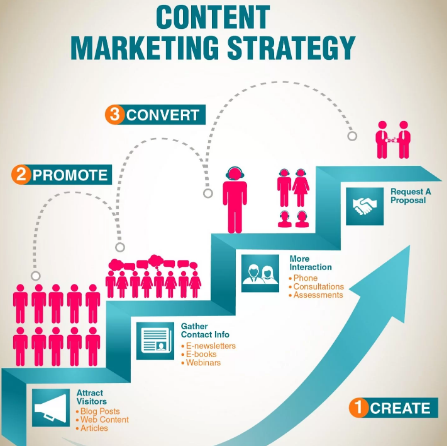
| Strategy | Explanation |
| Develop High-Quality Content | Create compelling content such as blogs, videos, and infographics that showcase your furniture products. Highlight key features, benefits, and unique selling propositions. |
| Target Relevant Keywords | Conduct keyword research to identify terms and phrases relevant to your furniture products. Use these keywords strategically in your content for better visibility. |
| Optimize for SEO | Implement SEO best practices such as using meta tags, optimizing images, creating internal links, and improving site speed to enhance search engine rankings. |
| Utilize Social Media Platforms | Leverage social media platforms like Facebook, Instagram, Pinterest, and Twitter to share your content and engage with your audience effectively. |
| Incorporate Visual Elements | Use high-quality images, videos, and infographics to make your content visually appealing and engaging for potential customers. |
| Collaborate with Influencers | Partner with influencers in the furniture or home decor niche to reach a wider audience and gain credibility through their endorsements. |
| Implement Email Marketing | Build an email list of interested prospects and regularly send them valuable content, promotions, and updates about your furniture products. |
| Analyse and Optimize | Monitor the performance of your content marketing efforts using analytics tools. Adjust your strategies based on data insights to optimize results continuously. |
Social media platforms offer immense opportunities for furniture marketing. Utilize platforms like Instagram, Pinterest, and Facebook to showcase your furniture collections, interact with followers, run contests, and leverage influencer collaborations.
Optimizing your furniture website for search engines is crucial for organic traffic. Implement SEO techniques like keyword research, on-page optimization, mobile responsiveness, and backlink building to improve search engine rankings and attract qualified leads.
PPC advertising offers furniture businesses a targeted and measurable approach to reaching their audience. By leveraging platforms like Google Ads, businesses can tailor their ads based on specific keywords and demographics, ensuring they reach users with a high intent to purchase furniture.
Captivating ad copy grabs attention and boosts clicks, while optimized landing pages smooth the path to conversion.
Continuous PPC campaign monitoring and optimization refine strategies, boost ROI, and maintain competitiveness in the digital realm.
Email marketing remains a powerful tool for nurturing leads and retaining customers. Segment your email list, personalize content, send promotional offers, and automate follow-up sequences to build relationships and drive repeat sales.

Sustainable growth requires continuous adaptation and innovation. Stay updated with industry trends, monitor competitor strategies, gather customer feedback, and iterate marketing strategies to maintain relevance and drive long-term success.
In the furniture market, digital marketing drives visibility, engages customers, and boosts sales. Then by understanding the market dynamics, identifying target audiences, and leveraging the power of content marketing, social media, SEO techniques, PPC advertising, and email marketing, furniture businesses can position themselves for sustainable growth and long-term success.
Read more: 7 Steps to Run A Successful Amazon Store
Content marketing helps furniture businesses showcase products, highlight features, engage customers, and build industry authority.
Social media platforms provide opportunities for visual storytelling, direct engagement with customers, influencer collaborations, running promotional campaigns. This results in reaching a wider audience interested in home decor and furniture.
SEO techniques as well as content optimization are crucial in enhancing visibility, attracting qualified leads, and improving search engine credibility.
Email marketing allows furniture brands to nurture leads, retain customers, send personalized offers and updates. Secondly it automate follow-up sequences, and build lasting relationships for repeat sales and customer loyalty.
Welcome to my blog! With over 10 years in digital marketing , I’ve seen its incredible impact on smaller businesses. Join me as we explore how digital marketing can grow your audience and boost your business. Whether you’re an experienced entrepreneur or just starting out, you’ll find practical tips and insights to enhance your digital marketing strategies.

Running a successful Amazon store requires strategic planning and execution. To stand out in the competitive marketplace, you need to implement effective strategies that enhance visibility, attract customers, and drive sales. In this guide, we’ll explore seven actionable steps to boost your Amazon store’s performance and maximize your revenue.
An Amazon Store refers to a customized storefront on Amazon’s platform where sellers can showcase and sell their products. It provides a branded and personalized shopping experience for customers, allowing sellers to curate their product offerings, create themed collections, and highlight promotions or featured items.

Amazon Stores are designed to enhance brand visibility, drive customer engagement, and improve overall sales performance by providing a cohesive and immersive shopping environment within the Amazon ecosystem.
Boosting your Amazon store helps you to gain visibility and grab more users. Consequently, your sales improve, and revenue increases as well. However, it requires a precise approach and adequate knowledge to boost your store.

Below are the steps you must follow
Optimizing your product listings is crucial for improving search visibility and attracting potential buyers. Use relevant keywords in titles, bullet points, and descriptions to enhance discoverability. Include high-quality images and detailed product information to provide a compelling user experience.
Visual appeal plays a significant role in capturing customer interest. Invest in professional product photography and use multiple images to showcase different angles and features. Write clear and concise product descriptions that highlight key benefits and features to entice buyers.
Amazon Sponsored Products allow you to promote your listings and reach a broader audience. Create targeted ad campaigns based on keywords, product categories, and customer interests. Monitor performance metrics and adjust your strategies to optimize ad spend and maximize ROI.
Competitive pricing is essential for attracting price-conscious shoppers. Analyze competitors’ pricing strategies and adjust your prices accordingly. Offer discounts, promotions, and bundle deals to incentivize purchases and drive customer engagement.
| Step | Details |
| Competitive Analysis | Conduct a thorough analysis of competitors’ pricing to understand market trends and set competitive yet profitable prices. |
| Dynamic pricing | Use dynamic pricing tools to adjust prices based on market demand, competitor pricing changes, and seasonal trends. |
| Discounts | Offer Discounts and Promotions, Provide limited-time discounts, promotional offers, and coupon codes to attract price-conscious shoppers. |
| Deals | Create bundle offers by combining complementary products or offering discounts on bulk purchases to increase average order value. |
| Keep a track | Continuously monitor pricing strategies, analyze their impact on sales and profitability, and make adjustments as needed for optimal results. |
Positive reviews and ratings build trust and credibility with potential buyers. Encourage satisfied customers to leave reviews and respond promptly to feedback and inquiries. Address any negative reviews professionally and strive to resolve customer issues to maintain a positive reputation.
Explore additional advertising options offered by Amazon, such as display ads, video ads, and sponsored brands. Create compelling ad creatives that resonate with your target audience and drive traffic to your store. Track ad performance metrics and refine your campaigns for optimal results.
Regularly monitor key performance indicators (KPIs) such as sales, conversion rates, traffic sources, and customer behavior. Use analytics tools to gain insights into market trends, customer preferences, and competitor strategies. Adjust your marketing and sales strategies based on data-driven insights to stay competitive and maximize growth.

Boosting your Amazon store requires a comprehensive approach that focuses on optimizing listings, enhancing customer experience, and leveraging advertising opportunities. By following these seven steps and staying proactive in monitoring performance metrics, you can enhance your store’s visibility, attract more customers, and attain a successful amazon store.
Read more : PPC Marketing strategies for Amazon store
The timeline for seeing results can vary depending on factors like product niche, competition, and the effectiveness of your strategies.
While Amazon Sponsored Products can be highly effective, there are other advertising options like display ads, video ads, and sponsored brands that can also contribute to boosting your store’s performance.
Customer reviews and ratings play a crucial role in building trust with potential buyers to run a successful amazon store accordingly. Positive reviews can significantly impact sales by influencing purchase decisions.
Key performance indicators (KPIs) to monitor include sales revenue, conversion rates, traffic sources, customer engagement metrics, and ad campaign performance.
Welcome to my blog! With over 10 years in digital marketing , I’ve seen its incredible impact on smaller businesses. Join me as we explore how digital marketing can grow your audience and boost your business. Whether you’re an experienced entrepreneur or just starting out, you’ll find practical tips and insights to enhance your digital marketing strategies.
PPC (Pay-Per-Click) marketing is a powerful strategy in the realm of digital marketing. It allows businesses to target specific audiences, control their advertising budget, and measure campaign performance effectively. In this ultimate guide, we’ll delve into the fundamentals of PPC marketing, its benefits, key elements for success, platforms and tools, campaign setup, monitoring and optimization, common mistakes to avoid, and more.
PPC marketing refers to a digital advertising model where advertisers pay a fee each time their ad is clicked. It’s a way of buying visits to your website rather than earning them organically through SEO. PPC ads can appear on search engines like Google and Bing, as well as on social media platforms and other websites.
PPC plays a crucial role in digital marketing strategies due to several reasons:
PPC operates on an auction-based system, where advertisers bid for ad placement in search engine results or other ad spaces. The bid amount, along with ad quality and relevance, determines the ad’s position.
Keywords are central to PPC campaigns. Advertisers select relevant keywords that trigger their ads to appear when users search for those terms. Keyword research is crucial for targeting the right audience.
PPC ads can appear at the top or bottom of search engine results pages (SERPs), as well as on websites and social media platforms. Ad placement depends on bid amounts, ad quality, and targeting settings.
| Benefits of PPC Marketing | Explanation |
| 1. Targeted Advertising | PPC allows precise targeting based on demographics, interests, behaviors, and search intent. This ensures ads reach users likely to be interested. |
| 2. Cost-Effective | PPC offers control over advertising costs with options to set daily or campaign budgets. Advertisers only pay when their ads are clicked. |
| 3. Measurable Results | PPC campaigns provide detailed analytics and performance metrics, enabling data-driven decision-making and optimization. |
| 4. Quick Results | PPC campaigns can generate quick results compared to organic SEO efforts, driving immediate traffic and conversions. |
| 5. Flexibility and Control | PPC platforms provide flexibility in ad placements, targeting, bidding strategies, and budget allocation, giving advertisers control over campaigns. |
| 6. Brand Visibility | PPC ads enhance brand visibility by appearing prominently on SERPs and partner sites, increasing awareness among potential customers. |
| 7. Geographic Targeting | PPC allows geographic targeting, ideal for businesses aiming to reach specific locations or global markets with tailored messaging and offers. |
Compelling ad copy is essential to attract clicks and conversions. So the Ads should be concise, relevant, and include strong calls-to-action (CTAs) to encourage user engagement.
The landing page is where users land after clicking an ad. Optimizing landing pages for relevance, user experience, and conversion goals is critical for maximizing PPC campaign success.
Ad extensions enhance ads with additional information like phone numbers, location details, site links, and promotions. Using ad extensions improves ad visibility and click-through rates.
Google Ads is the leading PPC platform, offering a range of ad formats including search ads, display ads, video ads, and shopping ads. It provides extensive targeting options and robust analytics.
Bing Ads, Microsoft’s PPC platform, is a viable alternative to Google Ads, especially for targeting specific demographics and reaching users on Bing and Yahoo search engines.
AdWords Editor is a tool for managing Google Ads campaigns offline. It allows bulk editing, campaign optimization, and streamlined campaign management.
Google’s Keyword Planner is a valuable tool for keyword research, providing insights into search volumes, competition levels, and keyword suggestions for PPC campaigns.
Organizing PPC campaigns into well-structured ad groups helps improve relevance and performance. Campaigns should be structured based on product/service categories, targeting criteria, and goals.
Setting a realistic budget for PPC campaigns involves balancing cost-per-click (CPC) bids, daily budgets, and overall campaign objectives. Secondly, budget allocation should consider ad performance and ROI.
Creating ad groups with tightly themed keywords and ad variations improves ad relevance and quality scores. Furthermore, each ad group should align with specific targeting parameters and user intents.
Regular monitoring of PPC campaign performance is essential. Tracking metrics like CTR, conversion rates, impression share, and ad positions helps identify areas for improvement and optimization.
Testing different ad variations, landing pages, and targeting settings through A/B testing enables data-driven optimization and improvements in ad performance and conversion rates.
Optimizing CPC bids based on performance data, keyword competitiveness, and ROI goals is crucial for maximizing campaign results and maintaining cost efficiency.

Using irrelevant keywords can lead to wasted ad spend and low-quality traffic. Conducting thorough keyword research and negative keyword management is key to targeting the right audience.
Neglecting negative keywords can result in ad impressions for irrelevant search queries. Adding negative keywords helps filter out irrelevant traffic and improve campaign efficiency.
Failing to analyze ad performance metrics like CTR, conversion rates, and Quality Score can hinder campaign optimization efforts. Moreover, regular performance analysis and optimization are essential for success.
PPC marketing is a dynamic and results-driven strategy for businesses to reach their target audience, drive traffic, and achieve marketing objectives. So through understanding the fundamentals of PPC, leveraging key elements for success, utilizing relevant platforms and tools, and continuously monitoring and optimizing campaigns, businesses can unlock the full potential of PPC advertising in today’s digital landscape.
Furthermore Learn more about digital marketing : Mastering the Art of SEO
PPC (Pay-Per-Click) marketing involves paying for each click on your ads, providing immediate traffic but requiring ongoing investment. SEO (Search Engine Optimization) focuses on organic ranking in search results, offering long-term visibility but requiring time and effort to achieve rankings.
Conduct keyword research using tools like Google’s Keyword Planner to identify relevant keywords with high search volumes and low competition.
Quality Score is a metric used by platforms like Google Ads to measure the relevance and quality of your ads, keywords, and landing pages
Continuously monitor and analyze campaign metrics such as CTR (Click-Through Rate), conversion rates, Quality Score, and ROI. Secondly Optimize your ad copy, landing pages, targeting settings, and bid strategies based on performance data.
Welcome to my blog! With over 10 years in digital marketing , I’ve seen its incredible impact on smaller businesses. Join me as we explore how digital marketing can grow your audience and boost your business. Whether you’re an experienced entrepreneur or just starting out, you’ll find practical tips and insights to enhance your digital marketing strategies.
In today’s digital landscape, mastering the art of SEO (Search Engine Optimization) is vital for anyone with an online presence. Whether you’re a business owner, marketer, or content creator, knowing how to optimize your website for search engines can significantly impact your visibility and success. This comprehensive guide will take you through the fundamentals of SEO, covering essential concepts, strategies, and common mistakes to avoid.
Search engines like Google, Bing, and Yahoo use complex algorithms to crawl, index, and rank web pages based on various factors. These factors include relevance, authority, and user experience, among others.
Google dominates the search engine market, accounting for over 90% of global search traffic. However, Bing and Yahoo also have significant user bases and shouldn’t be overlooked in your SEO efforts.
Keywords are the foundation of SEO. They are the terms or phrases that users type into search engines when looking for information. Effective keyword research and targeting are essential for optimizing your content and driving organic traffic.
On-page SEO refers to optimizing individual web pages to rank higher and earn more relevant traffic. This includes optimizing meta tags, headings, content, and images, among other elements.
Off-page SEO involves activities outside your website that impact your search engine rankings. This includes backlink building, social media engagement, and online reputation management.
Technical SEO focuses on optimizing your website’s infrastructure and backend to improve its crawling and indexing by search engines. This includes optimizing site speed, mobile-friendliness, and schema markup.
Seo Strategies include practices marketers perform to accomplish higher google rank. Below we have explained some to mastering the art of SEO.
| SEO Strategies | Description |
| Content Creation and Optimization | Creating high-quality, relevant content is key to SEO success. Content should be informative, engaging, and optimized for target keywords. Regularly updating and refreshing content also improves search visibility. |
| Link Building | Backlinks from reputable websites signal to search engines that your site is trustworthy and authoritative. Focus on earning quality backlinks through guest blogging, influencer outreach, and content promotion. |
| Mobile Optimization | With the rise of mobile devices, optimizing your website for mobile users is critical. Ensure your site is responsive, loads quickly, and provides a seamless user experience across devices. |
| Local SEO | For businesses targeting local customers, optimizing for local search is essential. This includes creating a Google My Business profile, obtaining local citations, and optimizing content for local keywords. |
| Voice Search Optimization | As voice search continues to grow in popularity, optimizing for voice queries is becoming crucial. Focus on natural language keywords, FAQ-style content, and schema markup for voice search optimization. |
Utilize tools like Google Analytics, Google Search Console, and third-party SEO platforms to track and measure your SEO performance. Monitor metrics such as organic traffic, keyword rankings, and conversion rates.
Define key performance indicators that align with your SEO goals. These may include organic traffic growth, keyword ranking improvements, backlink acquisition, and conversion rate increases.
Regularly conduct competitor analysis to benchmark your SEO performance against industry peers. Evaluate their keyword strategies, content quality, backlink profiles, and overall digital presence to identify areas for improvement and strategic opportunities.
Track the performance of your content by analyzing metrics such as engagement rates, time on page, bounce rates, and social shares. Use this data to refine your content strategy, optimize underperforming content, and create more of what resonates with your audience.
Here are some prevalent SEO mistakes to avoid when mastering the art of SEO
Avoid overloading your content with keywords, as this can harm user experience and result in penalties from search engines. Focus on natural keyword placement and prioritize valuable content.
A poor user experience, such as slow loading times or difficult navigation, can lead to higher bounce rates and lower search rankings. So we need to Prioritize user-friendly design and functionality.
With mobile devices accounting for a significant portion of internet traffic, neglecting mobile optimization can lead to missed opportunities. So make sure your website is mobile-friendly and provides a seamless experience across devices.
For businesses with a local presence, neglecting local SEO can limit visibility to potential customers. Secondly, optimize your website for local keywords, create location-specific content, and leverage Google My Business.
Advancements in AI and machine learning are shaping the future of SEO. Therefore, algorithms are becoming more sophisticated in understanding user intent, personalizing search results, and detecting spam tactics.
The evolution of voice search technology is changing how users interact with search engines. Hence optimizing for voice search requires understanding conversational queries and providing concise, relevant answers.
Video content continues to rise in popularity, presenting opportunities for SEO. So optimize your video titles, descriptions, and tags with relevant keywords to improve visibility in video search results.
SEO is a dynamic and ever-evolving field that requires continuous learning and adaptation. By mastering the art of SEO, understanding the key concepts, implementing effective strategies, and avoiding common pitfalls, you can improve your website’s visibility, attract organic traffic, and achieve your business goals through search engine optimization.
Must read Why Choose Furniturefy For the SEO Services to run a sucessful Furniture Business
On-page SEO refers to optimizing elements within your website, like content and meta tags, while off-page SEO involves activities outside your website, such as backlink building and social media engagement.
SEO results vary depending on factors like competition, industry, and strategy. Generally, significant improvements can take several months to a year.
While ranking higher on Google is a primary goal, SEO also focuses on improving user experience, driving organic traffic, and ultimately increasing conversions.
You can start with basic SEO practices on your own, but for more complex strategies and optimizations, consulting with an experienced SEO professional is beneficial.
Welcome to my blog! With over 10 years in digital marketing , I’ve seen its incredible impact on smaller businesses. Join me as we explore how digital marketing can grow your audience and boost your business. Whether you’re an experienced entrepreneur or just starting out, you’ll find practical tips and insights to enhance your digital marketing strategies.

Welcome to Furniturefy, your trusted partner in the digital marketing for furniture retailers and manufacturers. We specialize in leveraging the power of digital marketing to help you achieve your sales goals and expand your business reach. Through strategic digital marketing tactics for furniture industry, we aim to increase sales and revenue for your online furniture store while enhancing visibility and standing out in the competitive online marketplace.
We ensure your furniture stands out, making it easy for customers to choose you over competitors. Secondly, by targeting the right audience, maximizing the impact of your marketing efforts and driving more business to your doorstep.
With Furniturefy, you can expect to see tangible results in terms of increased brand recognition, online reputation, and conversion rates. Moreover, by consistently delivering impactful digital marketing campaigns, we help build and strengthen your brand presence online. This will make your furniture business more recognizable and memorable to customers.
Furthermore, our data analytics capabilities provide valuable insights into customer behavior and market trends. That’s why enabling us to continuously refine and improve your digital marketing strategies for better results. By leveraging data-driven insights, we help you stay ahead of the curve for ensuring sustained growth and success.
In partnership with Furniturefy, you can unlock the full potential of your furniture brand online, achieving significant growth in sales and expanding your business footprint in the digital landscape. Let’s work together to elevate your furniture business to new heights of success!

Are you a furniture retailer looking to boost sales and enhance customer reach?
A robust website could be your secret weapon!
In the competitive landscape of furniture retail, establishing a strong online presence through a website offers unparalleled advantages in boosting sales. From expanding global reach to providing a seamless shopping experience, the benefits are manifold.
Here are some key advantages:
With a website, your furniture store isn’t limited by geographical boundaries. Reach customers far and wide, tapping into markets you never thought possible.
Unlike physical stores, your website is open 24/7, allowing customers to browse and make purchases at their convenience. This flexibility can significantly increase sales opportunities.
A well-optimized website can improve your visibility on search engines, making it easier for potential customers to find you online. This increased exposure can lead to boost sales and enhance customer reach.
Provide customers with a seamless shopping experience from browsing to checkout. Intuitive navigation, product filters, and secure payment options can all contribute to higher conversion rates.
Gain valuable insights into customer behavior and preferences through website analytics. Then use this data to tailor your marketing strategies and product offerings, ultimately driving more sales.
A professional website builds trust with potential customers, showcasing your brand’s legitimacy and reliability. Positive online reviews and testimonials can further boost sales and enhance customer reach.
In today’s digital age, a strong online presence is essential for furniture retailers to thrive accordingly. Furthermore, Invest in a well-designed website to unlock these advantages and watch your sales soar!
Ready to take your furniture store to the next level? Visit https://darkcyan-horse-266782.hostingersite.com/ for expert insights and services that drive real results. Let’s grow together!
Welcome to my blog! With over 10 years in digital marketing , I’ve seen its incredible impact on smaller businesses. Join me as we explore how digital marketing can grow your audience and boost your business. Whether you’re an experienced entrepreneur or just starting out, you’ll find practical tips and insights to enhance your digital marketing strategies.
07884 989404
info@darkcyan-horse-266782.hostingersite.com
Unit 13-14 Upper Villiers Street, Wolverhampton, United Kingdom, WV2 4NP
