

07884 989404
info@darkcyan-horse-266782.hostingersite.com

Unit 13-14 Upper Villiers Street, Wolverhampton, United Kingdom, WV2 4NP

Creating a high-converting landing page is essential for any business looking to maximize its online success. An optimized landing page not only attracts visitors but also encourages them to take action, whether it’s making a purchase, signing up for a newsletter, or downloading a resource. In this blog, we’ll explore practical steps to optimize your landing pages for maximum conversions.
A landing page is a standalone web page designed specifically for a marketing or advertising campaign. It’s where a visitor “lands” after clicking on a link in an email, an ad, or a search engine result.
Landing pages are crucial for online marketing, driving targeted traffic and converting visitors into leads or customers. They focus on a single goal, such as capturing email addresses or promoting a product, enhancing user experience, and improving conversion rates. Well-designed landing pages contribute significantly to a successful digital marketing strategy.
Targeted Traffic: Landing pages attract visitors with specific interests, ensuring higher engagement and relevance.
Conversion Focus: They are designed with a clear call-to-action, making it easier to convert visitors into leads or customers.
Enhanced User Experience: Simplified and focused content on landing pages helps users quickly find what they need.
Improved Metrics: By tracking performance, businesses can refine their marketing strategies and boost overall effectiveness.
Clear and Compelling Headline
Your headline is the first thing visitors see. It should clearly communicate the value of your offer and grab attention.
Engaging Subhead line
The sub headline should support the main headline and provide additional details that entice the visitor to stay and read more.
High-Quality Images and Videos
Visuals can significantly impact conversions. Use high-quality images and videos that are relevant to your offer and resonate with your audience.
Concise and Persuasive Copy
Your copy should be clear, concise, and persuasive. Focus on the benefits of your offer and address any potential pain points of your audience.
Strong Call-to-Action (CTA)
A CTA is a button or link that encourages visitors to take a specific action. Make sure your CTA is clear, compelling, and stands out on the page.
| Steps | Description |
| Identify Your Goal | Before creating your landing page, identify the specific goal you want to achieve. Whether it’s generating leads, making sales, or collecting information, your goal will guide the design and content of your page. |
| Understand Your Audience | Knowing your audience is crucial. Conduct research to understand their needs, preferences, and pain points. Tailor your landing page content to address these aspects effectively. |
| Design for Simplicity | A cluttered landing page can overwhelm visitors. Keep your design simple and focused on your main goal. Use white space strategically to make your content stand out. |
| Optimize for Mobile | Ensure your landing page is mobile-friendly. With a significant number of users accessing websites on their mobile devices, a responsive design is essential for a seamless user experience. |
| Use Social Proof | Incorporate testimonials, reviews, and case studies to build trust with your audience. Social proof can persuade visitors that your offer is valuable and credible. |
| Test and iterate | Regularly test different elements of your landing page, such as headlines, images, and CTAs. Use A/B testing to identify what works best and make necessary adjustments to improve conversions. |
Avoid overwhelming your visitors with too much text. Keep your copy concise and to the point. A weak or unclear CTA can confuse visitors. Make sure your CTA is strong, direct, and easy to find. A slow-loading landing page can frustrate visitors and increase bounce rates.

Optimize your page speed to ensure a smooth and fast user experience. Not tracking your landing page performance is a missed opportunity. Use analytics tools to monitor visitor behavior and identify areas for improvement.
Optimizing your landing pages for maximum conversions requires a strategic approach. By focusing on clear headlines, engaging content, strong CTAs, and mobile optimization, you can create landing pages that effectively convert visitors into customers. Regular testing and iteration will ensure your landing pages remain effective and continue to drive results.
Read more : Utilizing Analytics to Drive Marketing Decisions
The primary purpose of a landing page is to convert visitors into leads or customers by encouraging them to take a specific action.
Mobile optimization is crucial as a significant number of users access websites via mobile devices. A mobile-friendly design ensures a seamless user experience and higher conversions.
A/B testing involves creating two versions of a landing page and testing them to see which one performs better. This helps in optimizing the page for higher conversions.
A strong CTA is essential because it directs visitors on what action to take next. A clear and compelling CTA increases the likelihood of conversions.

Welcome to my blog! With over 10 years in digital marketing , I’ve seen its incredible impact on smaller businesses. Join me as we explore how digital marketing can grow your audience and boost your business. Whether you’re an experienced entrepreneur or just starting out, you’ll find practical tips and insights to enhance your digital marketing strategies.

What are analytics and what it has to do with marketing? Such questions may be messing with your head, right? In the digital world, using analytics for marketing decisions helps marketers obtain valuable information from raw data.
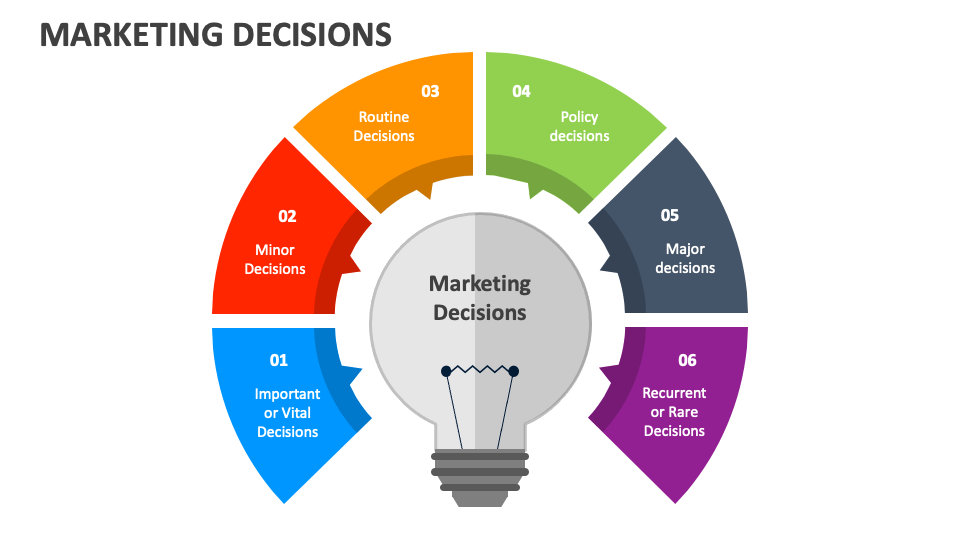
Data-driven decision-making is a crucial factor for success in the digital landscape. Moreover, data analytics helps a business know consumer behavior and enhance campaign performance. This article will explain everything you need to know about.
Before digging deep, its essential for you to know the distinction between data and analytics for a better understanding. Marketers regularly conduct in-depth competitor research to refine their strategies.
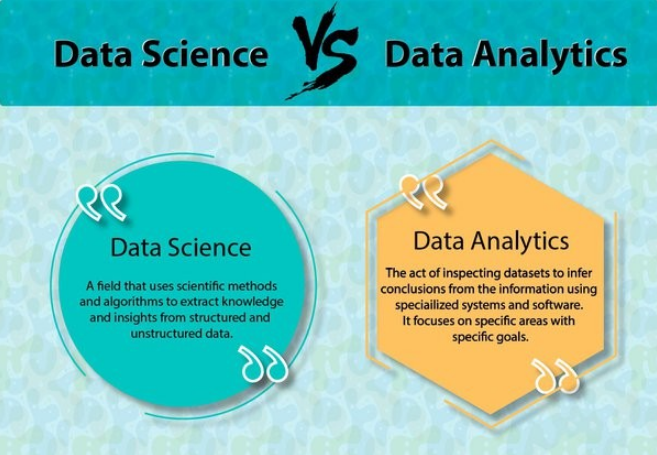
In response, they receive the appropriate amount of raw data, while such information is useless without analytics. They leverage analytics to get the real value from such huge data. For instance, you can analyze and develop strategies through surfacing trends in your data.
Marketing analytics helps companies grow by offering important insights. Therefore, the following needs marketing analytics
· Startups seeking to establish themselves in the completive markets
· Banks and telecom companies can leverage data analytics to grow their business
· Medium size enterprises who are surviving in the fierce market competition
· In other words, every size of business should benefit from market analytics
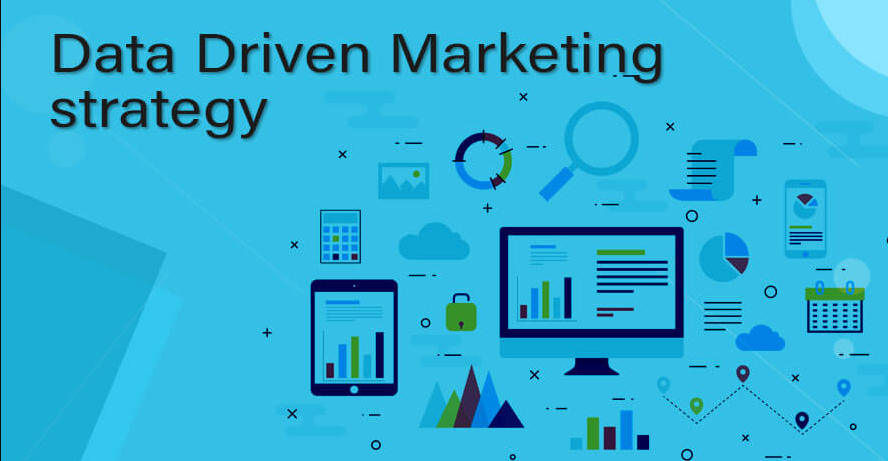
Earlier, marketing experts had to make marketing decisions based on their previous experiences. Although the option of customer surveys was there, it did not offer many benefits. Nowadays, we have access to the latest tools and strategies that help us make informed decisions.
| Point | Explanation |
| Improved Targeting | Data analytics enables marketers to identify specific audience segments based on behavior, demographics, and preferences. This allows for more precise targeting, ensuring that marketing messages reach the right people. |
| Personalized Campaigns | By analyzing customer data, marketers can create highly personalized campaigns tailored to individual customer needs and preferences. |
| Optimized Marketing Spend | Analytics provides insights into which marketing channels and strategies yield the best return on investment. Marketers can allocate budgets more effectively. |
| Real-time Performance Monitoring | With data analytics, marketers can track the performance of their campaigns in real time. This enables quick adjustments and optimizations, ensuring that campaigns are always performing at their best. |
Knowing your customer is crucial in the market, the more you know the audience, the more it will be easy for you to increase conversions. With data analytics marketers easily understand user’s behavior and closely engage with them. Moreover, anticipate their unique needs and identify valuable opportunities.
Every marketer wants to know below questions about their users
· What are the goals of my audience?
· Which kind of hobbies do they have?
· Why they should use your product instead of others
Marketing analytics enable you to know the answer of the above questions and develop a solid buyer persona. Using these insights, marketers have the opportunity to target the right audience and generate high-quality leads.
Where accurate analytics help you engage with customers, they also allow you to know the audience. Moreover, businesses capitalize on this knowledge and provide a tailored experience to a huge number of users.
It is easy for a business to offer a seamless user experience to a handful of customers. However, when it scales, keeping the same momentum becomes problematic. Through marketing analytics, you can satisfy a large number of audience and remain on top.
With accurate analytics in line, you have the chance to grab the right opportunity to strengthen the business. Details like user pain points as well as hiccups in the buying journey enhance your business process.

Moreover, you start getting opportunities for cross-selling with upselling when understand the user preferences. Insights regarding your customer’s online preferences help marketers know how to target them in a way they convert.
Utilizing analytics in marketing is no longer a luxury but a necessity. It transforms raw data into actionable insights, enabling businesses to understand consumer behavior, improve campaign performance, and enhance user experience. So by leveraging data analytics for marketing decisions, companies can increase ROI, target the right audience, and build lasting relationships.
Read more: Maximizing ROI with Programmatic Advertising
Data analytics helps marketers extract valuable insights from raw data, allowing them to understand consumer behavior, track campaign performance, and make further informed decisions to enhance marketing strategies.
Insights from data analytics enable businesses to offer a smooth user experience and then increasing customer satisfaction and loyalty towards the brand.
Marketing analytics provides essential insights that help businesses, regardless of their size, to understand their audience, and optimize their marketing budget.
By effectively distributing the marketing budget and targeting the right audience, data analytics helps businesses maximize their return on investment through more efficient as well as impactful marketing strategies.
Welcome to my blog! With over 10 years in digital marketing , I’ve seen its incredible impact on smaller businesses. Join me as we explore how digital marketing can grow your audience and boost your business. Whether you’re an experienced entrepreneur or just starting out, you’ll find practical tips and insights to enhance your digital marketing strategies.

In today’s digital landscape, maximizing Return on Investment (ROI) is crucial for businesses seeking efficient and effective marketing strategies. Programmatic advertising has emerged as a powerful tool for achieving this goal, offering targeted audience reach, real-time optimization, cost efficiency, and data-driven insights.
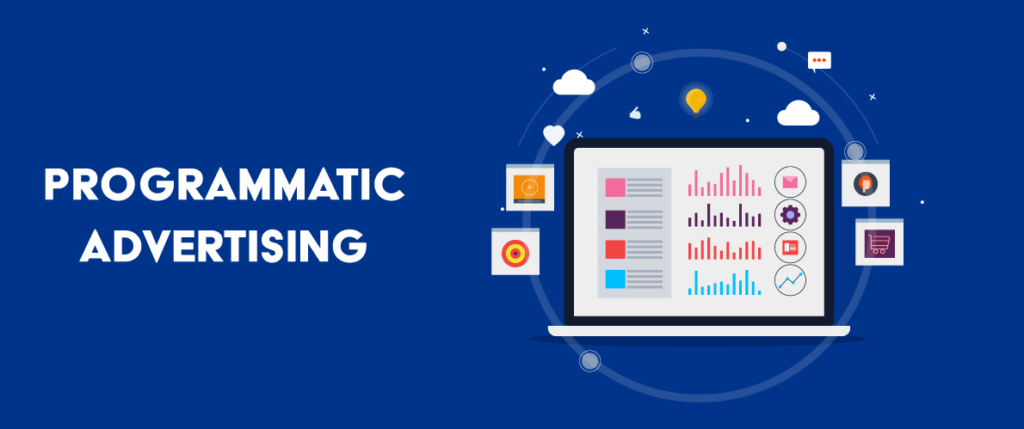
This advertising refers to the automated process of buying and selling ad space in real-time, using data and algorithms to target specific audiences. It has revolutionized the way digital ads are delivered, allowing advertisers to reach the right audience with the right message at the right time.
One of the key benefits of programmatic advertising is its ability to reach targeted audiences. By leveraging data insights, advertisers can identify and target consumers based on their demographics, interests, and online behavior.
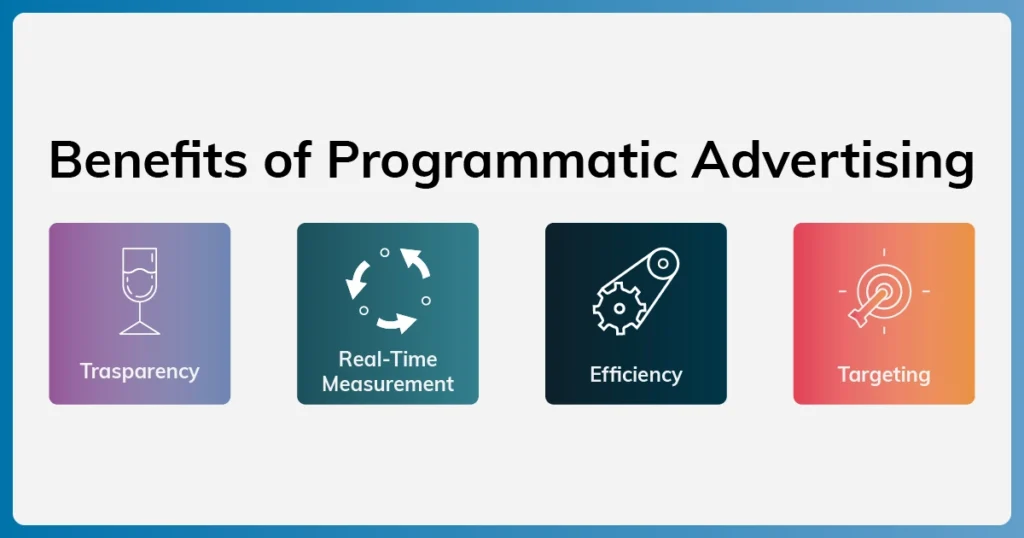
| Benefit | Explanation |
| Targeted Audiences | Programmatic advertising leverages data insights to identify and target specific demographics, interests, and online behaviors, ensuring ads reach relevant users for increased engagement and conversion. |
| Real-time Optimization | Advertisers can continuously monitor campaign performance metrics and make real-time adjustments to optimize ads based on click-through rates, conversion rates, and cost per acquisition, maximizing ROI. |
| Cost Efficiency | Automated buying and budget controls in programmatic advertising reduce operational costs and ensure optimal spending, leading to cost efficiency and improved ROI for advertisers. |
| Data-driven Insights | Campaign performance metrics provide valuable insights into consumer behavior, preferences, and trends, enabling informed decision-making and optimization of future campaigns for better results. |
| Scalability | Programmatic advertising platforms allow for scalable campaigns, reaching large audiences across multiple channels efficiently, making it ideal for businesses of all sizes looking to expand their reach. |
| Improved Transparency | Advertisers have access to detailed reporting and analytics in programmatic advertising, providing transparency into ad placements, performance metrics, and campaign effectiveness for better decision-making. |
To maximize ROI with programmatic advertising, businesses should focus on several key strategies:
Understanding Target Audience Behavior: Utilize data analytics to understand audience behavior, preferences, and purchase patterns. This insight helps in creating targeted and personalized ad campaigns that resonate with the audience.
Utilizing Data Analytics for Campaign Optimization: Leverage data analytics tools to monitor campaign performance in real-time. Analyze key metrics such as engagement rates, conversion rates, and ROI to identify areas for improvement and optimize campaign strategies accordingly.
Implementing A/B Testing Strategies: Conduct A/B testing to compare different ad creatives, messages, and targeting strategies. This iterative approach helps in identifying the most effective tactics for driving conversions and maximizing ROI.
Leveraging Retargeting for Higher Conversions: Implement retargeting campaigns to re-engage users who have previously interacted with your brand but haven’t converted. Tailor retargeting ads based on user behavior to encourage conversions and increase ROI.
Monitoring and Adjusting Campaign Performance: Continuously monitor campaign performance metrics and KPIs. Make data-driven adjustments to targeting, bidding strategies, ad placements, and creatives to optimize performance and achieve maximum ROI.
While programmatic advertising offers numerous benefits, it faces challenges like ad fraud, viewability issues, and brand safety concerns. Advertisers can address these by implementing robust fraud prevention, ensuring ad viewability, and adopting brand safety measures.

Ad Fraud: Refers to deceptive practices that generate fake ad impressions or clicks, leading to wasted advertising budget.
Viewability Issues: Occur when ads are not fully visible to users, impacting the effectiveness of ad campaigns.
Brand Safety Concerns: Involve the risk of ads appearing on inappropriate or harmful content, potentially damaging brand reputation.
Implement AI-based fraud detection tools for real-time identification and prevention of fraudulent activities.
Optimize ad placements and formats to improve ad viewability for the target audience.
Employ brand safety tools to monitor and block ads from appearing on inappropriate content.
Develop a comprehensive brand safety strategy including whitelists and blacklists.
Collaborate with reputable publishers and platforms prioritizing brand safety and industry standards.
Programmatic advertising is a powerful tool for maximizing ROI in digital marketing. By leveraging its benefits such as targeted audience reach, real-time optimization, cost efficiency, and data-driven insights, businesses can achieve higher returns on their advertising investments.
Read more: Enhancing Your Digital Presence with Local SEO
Programmatic advertising uses automated technology for maximizing ROI to target specific audiences in real time, while traditional advertising relies on manual processes and broad audience targeting.
Key metrics for measuring ROI in programmatic advertising include CTR, conversion rates, cost per acquisition (CPA), return on ad spend.
Small businesses can benefit from programmatic advertising by reaching targeted audiences effectively, optimizing ad spend, and gaining valuable data.
Data privacy is crucial in programmatic advertising to ensure compliance with regulations and protect consumer information.
Welcome to my blog! With over 10 years in digital marketing , I’ve seen its incredible impact on smaller businesses. Join me as we explore how digital marketing can grow your audience and boost your business. Whether you’re an experienced entrepreneur or just starting out, you’ll find practical tips and insights to enhance your digital marketing strategies.
In today’s digital landscape, local SEO has become an essential strategy for businesses looking to enhance their online presence and attract local customers. This comprehensive guide will cover the importance of local SEO, effective strategies, and best practices to boost your local search visibility.
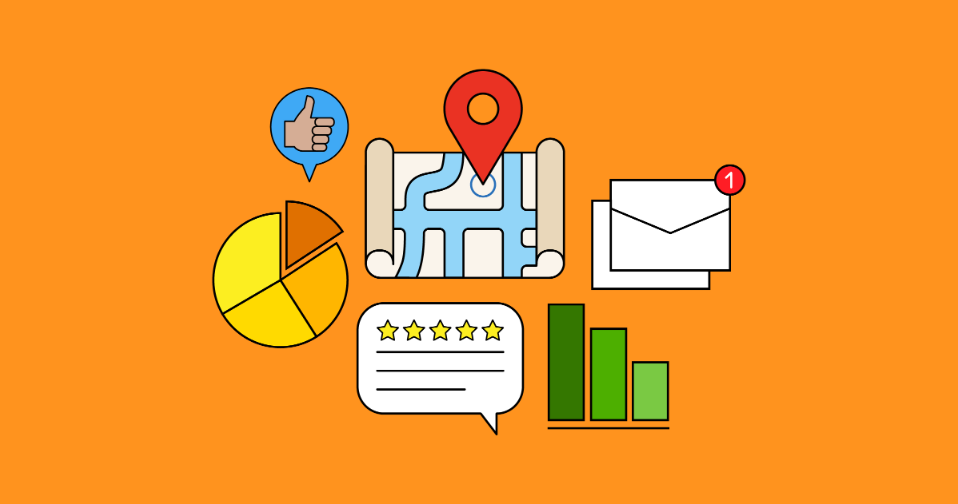
Local SEO refers to the process of optimizing your online presence to attract more business from relevant local searches. These searches take place on various search engines, including Google, Bing, and Yelp. For example, when someone searches for “best Italian restaurant near me,” local SEO helps ensure that your restaurant appears in the search results.

| Importance of Local SEO | Explanation |
| Increased Online Visibility | Local SEO optimizes your online presence for local searches, ensuring that your business appears prominently in search engine results pages (SERPs) when users search for relevant keywords in your locality. This increased visibility enhances brand awareness and attracts potential customers. |
| Higher Conversion Rates | Local searches often indicate high purchase intent, as users are specifically looking for solutions near them. By appearing in local search results, you’re more likely to attract customers ready to make a purchase, leading to higher conversion rates compared to general organic searches. |
| Builds Community Presence | Local SEO efforts, such as optimizing Google My Business listings, creating local content, and acquiring local citations, contribute to building a strong presence in your community. This fosters trust and credibility among local customers, positioning your business as a reliable and relevant choice within the area. |
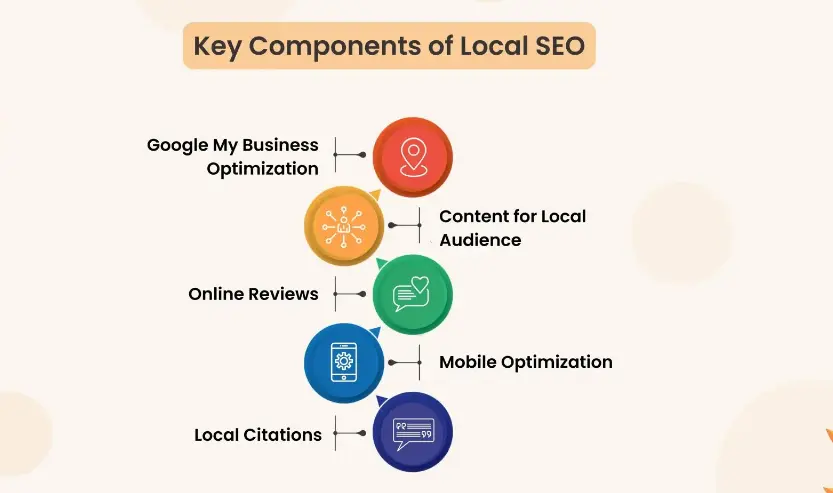
Here are the strategies you should follow to make the most out of your local SEO
Optimize Google My Business
Make sure your GMB listing is claimed and verified by your business. Fill out all the information fields accurately, including your business name, address, phone number, website, and hours of operation. Upload high-quality images of your business, products, or services to make your listing more appealing.
Build Local Citations
Ensure your Name, Address, and Phone number (NAP) are consistent across all online directories and citation sites. Submit your business to well-known directories like Yelp, Yellow Pages, and industry-specific sites.
Create Local Content
Incorporate local keywords naturally into your content. For example, use phrases like “best coffee shop in [City]” or “top-rated dentist in [Region].” Write blog posts or articles about local events, news, or community involvement.
Encourage Customer Reviews
Encourage your customers to leave reviews on your GMB listing, Yelp, and other review platforms. Engage with customers by responding to their reviews, both positive and negative, to show that you value their feedback.
Optimize for Mobile
Ensure your website uses a responsive design that adapts to different screen sizes. Improve your site’s loading speed on mobile devices by optimizing images, leveraging browser caching, and minimizing redirects.
Track your GMB insights to see how customers find your listing and what actions they take. Monitor your local search rankings for target keywords using SEO tools like Moz or SEMrush. Analyze your website traffic to see the impact of local SEO on organic search visits.
Local SEO is a powerful tool for enhancing your digital presence and attracting more local customers. By optimizing your Google My Business listing, building local citations, creating localized content, encouraging customer reviews, and ensuring your website is mobile-friendly, you can significantly boost your local search visibility and grow your business.
Read more: Future-Proofing Your SEO Strategy for 2024 and Beyond
The primary goal of local SEO is to increase a business’s visibility in local search results, thereby attracting more local customers.
Google My Business helps with local SEO by providing accurate business information, which improves your chances of appearing in local search results and Google Maps.
Customer reviews are important for local SEO because they build trust, improve your business’s online reputation, and can positively impact search rankings.
Local citations are mentions of your business name, address, and phone number on other websites. They matter because consistent citations enhance your local search visibility and credibility.
Welcome to my blog! With over 10 years in digital marketing , I’ve seen its incredible impact on smaller businesses. Join me as we explore how digital marketing can grow your audience and boost your business. Whether you’re an experienced entrepreneur or just starting out, you’ll find practical tips and insights to enhance your digital marketing strategies.
In the dynamic landscape of digital marketing, future-proofing your SEO strategy is paramount to staying competitive and relevant in 2024. As search engines evolve and user behaviors shift, businesses must adapt to ensure their online presence remains effective. This article explores key strategies and considerations to future-proof your SEO efforts in 2024 and beyond.
The digital ecosystem is constantly evolving, influenced by technological advancements, algorithm updates, and changing user preferences. Future-proofing your SEO strategy involves anticipating these changes and proactively adjusting your approach to maintain visibility and relevance.
Adaptability is the cornerstone of a future-proof SEO strategy. Being responsive to algorithm changes, emerging trends, and shifting market dynamics allows businesses to stay ahead of the curve and capitalize on new opportunities.
AI and machine learning technologies are revolutionizing SEO. Utilizing these tools for data analysis, content optimization, and personalized user experiences can significantly enhance SEO performance and effectiveness.
The rise of voice search presents unique challenges and opportunities for SEO. Optimize content for voice search by understanding conversational language and focusing on long-tail keywords to capture voice search traffic.
With mobile devices accounting for a significant portion of internet traffic, mobile optimization is non-negotiable. Implementing responsive design, fast-loading pages, and mobile-friendly content ensures a seamless user experience and boosts SEO rankings.
| Mobile Optimization Strategies | Explanation |
| 1. Responsive Design | Implementing responsive design ensures that your website adapts to different screen sizes and devices, providing a consistent and user-friendly experience across mobile, tablet, and desktop devices. This helps in reducing bounce rates and improving user engagement. |
| 2. Fast-Loading Pages | Optimizing your website for fast-loading pages is crucial for mobile users who expect quick access to content. Compressing images, minifying code, leveraging browser caching, and using content delivery networks (CDNs) are effective strategies to improve page loading speed. |
| 3. Mobile-Friendly Content | Creating mobile-friendly content involves formatting text for readability on smaller screens, using legible fonts, and optimizing multimedia elements like videos and images for mobile consumption. Additionally, prioritizing important content above the fold enhances user experience. |
| 4. Accelerated Mobile Pages (AMP) | Implementing AMP for relevant pages can significantly improve loading speed and user experience on mobile devices. AMP strips down web pages to essentials, minimizing extraneous code and focusing on delivering content quickly. |
| 5. Optimize Forms for Mobile | Streamlining forms and input fields for mobile devices by using autofill suggestions, reducing the number of required fields, and implementing mobile-friendly input methods like date pickers and dropdown menus improves user experience during form submissions on mobile. |
| 6. Test and Optimize | Regularly testing your website’s mobile performance using tools like Google’s Mobile-Friendly Test and PageSpeed Insights helps identify optimization opportunities. Continuously optimizing based on user feedback and analytics data ensures ongoing improvement in mobile user experience and SEO rankings. |
Google’s emphasis on E-A-T underscores the importance of establishing expertise, authoritativeness, and trustworthiness in your content. Building a strong brand reputation, producing high-quality content, and earning credible backlinks are key elements of E-A-T optimization.

Creating valuable, relevant, and engaging content is fundamental to SEO success. Focusing on user intent, incorporating multimedia elements, and optimizing for readability and shareability are essential for driving organic traffic and engagement.
User Intent Alignment: Ensuring that your content directly addresses user queries and intent increases its relevance and value, leading to higher engagement and conversions.
Multimedia Integration: Incorporating images, videos, infographics, and other multimedia elements enhances the visual appeal and comprehensiveness of your content, catering to diverse audience preferences.
Readability Optimization: Using clear, concise language, organizing content with headings and subheadings, and maintaining a logical flow improves readability, encouraging visitors to stay longer on your page and consume more content.
Shareability Enhancement: Creating shareable content by including social media buttons, encouraging discussions, and offering actionable insights encourages users to share your content, expanding its reach and driving referral traffic.
Technical SEO forms the foundation of an effective SEO strategy. Improve search engine visibility and user experience by addressing technical issues like site structure, crawlability, metadata optimization, and schema markup.
Video content continues to gain traction in digital marketing. Optimize video content with relevant keywords, compelling titles, and engaging descriptions to enhance visibility on video platforms and SERPs.
Future-proofing your SEO strategy for 2024 requires a holistic approach that embraces adaptability, innovation, and user-centricity. By staying abreast of industry trends, leveraging emerging technologies, and prioritizing user experience and content quality, businesses can position themselves for long-term successful SEO strategy in 2024 and beyond.
Read more: Creating Effective Marketing Campaigns with Limited Budgets
Future-proofing in SEO means anticipating and adapting to changes in search engine algorithms, user behaviors, and technological advancements to maintain competitiveness and relevance.
Adaptability is crucial in SEO strategy to respond to algorithm updates, emerging trends, and market shifts, ensuring sustained visibility and effectiveness.
AI and machine learning can enhance SEO by improving data analysis, optimizing content, and delivering personalized user experiences, leading to better performance and results.
Key elements of E-A-T (Expertise, Authoritativeness, Trustworthiness) in SEO include building expertise through high-quality content, establishing authority with credible backlinks, and fostering trust with a strong brand reputation.
Welcome to my blog! With over 10 years in digital marketing , I’ve seen its incredible impact on smaller businesses. Join me as we explore how digital marketing can grow your audience and boost your business. Whether you’re an experienced entrepreneur or just starting out, you’ll find practical tips and insights to enhance your digital marketing strategies.
In today’s competitive market, creating effective marketing campaigns is essential for any business. However, one of the biggest challenges many small businesses face is doing so with limited budgets. How can you make the most of what you have? Let’s dive into some strategies.
First and foremost, you need to know who you are marketing to. Defining your target audience involves understanding their demographics, preferences, and behavior. By doing this, you can tailor your campaigns to meet their needs more effectively.

Understanding how your customers behave is crucial. Analyze data from your website, social media, and sales to identify patterns and preferences. This information helps in creating more personalized and engaging marketing messages.
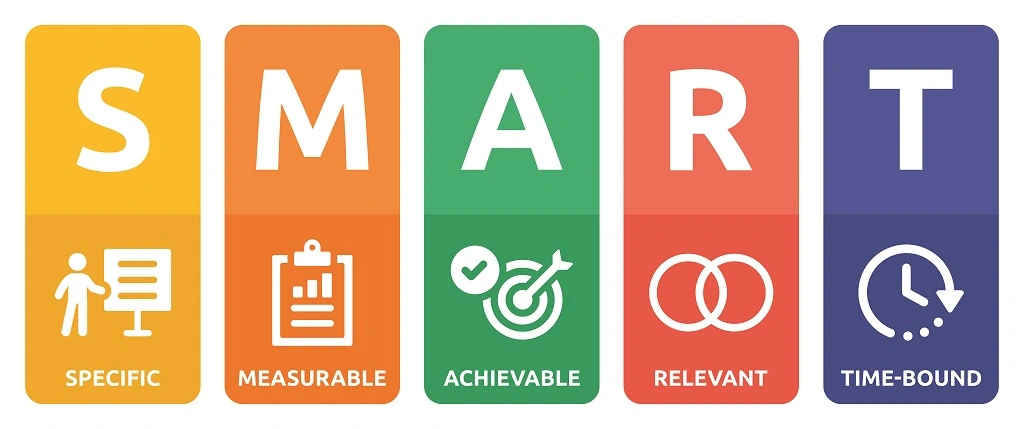
Setting Specific, Measurable, Achievable, Relevant, and Time-bound (SMART) goals can guide your marketing efforts. Whether you want to increase brand awareness, generate leads, or boost sales, having clear objectives is vital.
Ensure that your marketing objectives align with your overall business goals. This alignment ensures that every marketing dollar spent contributes to your broader business strategy.
Social media platforms like Facebook, Instagram, and LinkedIn offer cost-effective ways to reach your audience. Utilize organic strategies such as regular posting, engaging content, and interacting with followers to build a strong online presence.
Email marketing is another powerful tool. By building a strong email list, you can send personalized messages directly to your audience. Use email campaigns to promote products, share news, and keep your audience engaged.
Cost-Effective Audience Reach: Social media platforms like Facebook, Instagram, and LinkedIn provide cost-effective ways to reach your target audience. Leveraging these platforms can help maximize your marketing budget.
Organic Strategies: Employ organic strategies such as regular posting, creating engaging content, and interacting with followers to build a strong online presence. This helps in fostering community and brand loyalty without heavy spending on ads.
Email Marketing Power: Building a robust email list allows you to send personalized messages directly to your audience. Email campaigns can effectively promote products, share news, and keep your audience engaged and informed.
Direct Audience Engagement: Social media and email marketing enable direct interaction with your audience. Responding to comments, messages, and feedback helps in understanding customer needs and building trust.
Blogging is an excellent way to provide value to your audience while boosting your SEO. Write articles that address your audience’s pain points, provide solutions, and establish your brand as an industry expert. Video content is highly engaging and can be created on a budget. Use videos to showcase your products, share customer testimonials, or provide tutorials.
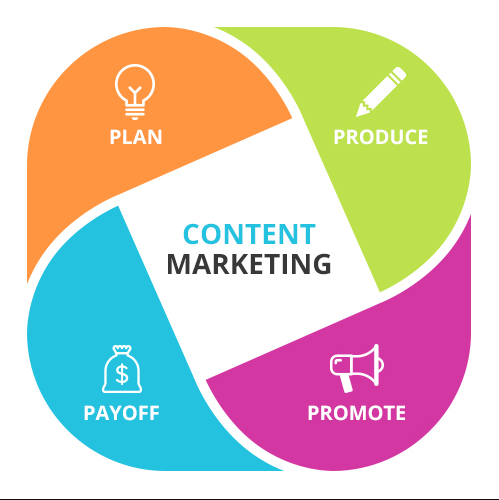
Start by building a robust email list. Offer incentives like discounts or free resources in exchange for email sign-ups. This list will be invaluable for your marketing efforts.
When crafting emails, ensure they are engaging and valuable. Personalize the content, use catchy subject lines, and include clear calls-to-action to encourage recipients to take the next step.
Keyword research is the backbone of any SEO strategy. Identify relevant keywords that your audience is searching for and incorporate them into your website content, blog posts, and metadata. Optimize your website’s on-page elements like titles, headings, and images. Additionally, focus on off-page SEO strategies such as building backlinks from reputable websites to improve your site’s authority.
| Aspect of SEO Optimization | Explanation |
| Keyword Research | Keyword research is the backbone of any SEO strategy. Identify relevant keywords that your audience is searching for and incorporate them into your website content, blog posts, and metadata. |
| On-Page SEO | Optimize your website’s on-page elements such as titles, headings, meta descriptions, and images. Use target keywords naturally within these elements to enhance relevance. |
| Content Quality | Create high-quality, informative, and engaging content that addresses the needs and interests of your target audience. |
| Technical SEO | Ensure your website is technically sound with fast load times, mobile responsiveness, secure HTTPS, and a clean URL structure. |
| Off-Page SEO | Focus on building backlinks from reputable websites to improve your site’s authority and trustworthiness. Engage in social media marketing, guest blogging, and influencer collaborations. |
Use analytics tools to track the performance of your marketing campaigns. Monitor metrics like website traffic, conversion rates, and engagement levels to gauge effectiveness. Regularly analyze your data to identify what’s working and what’s not. Use these insights to adjust your strategies and optimize future campaigns for better results.
Pay-per-click (PPC) advertising allows you to only pay when someone clicks on your ad. Platforms like Google Ads and Bing Ads offer customizable budgets, making it easier to control costs. Retargeting ads help you reach users who have already visited your website. These ads remind potential customers of your products and encourage them to return and complete a purchase.
Creating effective marketing campaigns with limited budgets is undoubtedly challenging, but it’s far from impossible. By understanding your audience, setting clear objectives, leveraging digital marketing tools, and continually analyzing your performance, you can achieve significant results without breaking the bank. Start small, stay consistent, and watch your efforts pay off over time.
Read more : The Importance of User Experience in Digital Marketing
Analyze your overall business budget, set clear marketing objectives, and allocate funds based on priority and potential return on investment.
Tools like Google Analytics, Canva, Mailchimp (free version), and Hootsuite offer free options for analytics, design, email marketing, and social media management.
Use metrics such as website traffic, conversion rates, engagement levels, and ROI to gauge the effectiveness of your campaigns.
Post regularly, use interactive content like polls and questions, respond to comments, and create a community by encouraging discussions.
Welcome to my blog! With over 10 years in digital marketing , I’ve seen its incredible impact on smaller businesses. Join me as we explore how digital marketing can grow your audience and boost your business. Whether you’re an experienced entrepreneur or just starting out, you’ll find practical tips and insights to enhance your digital marketing strategies.
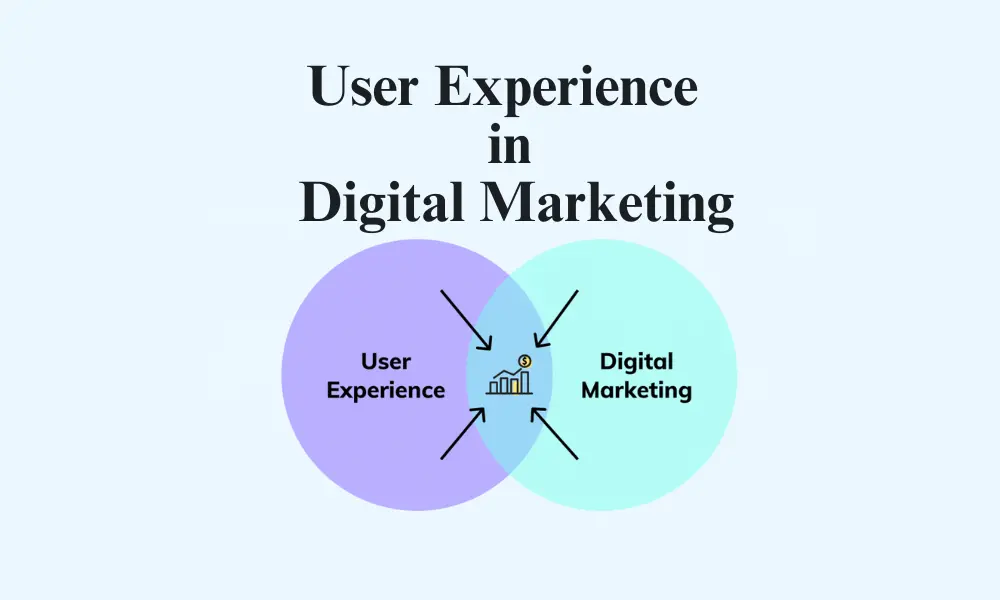
User Experience (UX) plays a crucial role in digital marketing, encompassing the overall experience a user has while interacting with a website, app, or digital platform. In today’s competitive digital landscape, prioritizing UX is not just beneficial but essential for businesses aiming to succeed online.

Website Design and Navigation
Intuitive layouts and easy navigation are crucial for a positive user journey, as they help users find information effortlessly. Responsive design, adapting to different devices, enhances user engagement and satisfaction by providing a seamless experience across platforms. Clear labeling, logical menu structures, and intuitive UI elements contribute to user satisfaction and reduce bounce rates.
Content Quality and Relevance
High-quality and relevant content plays a pivotal role in enhancing user experience by meeting user expectations and addressing their needs. Valuable content not only informs but also persuades users, leading to increased conversions and customer loyalty. Multimedia content, such as videos and infographics, enriches user engagement by providing diverse and engaging formats.

Page Load Speed and Performance
Fast-loading pages are crucial in reducing bounce rates and keeping users engaged, as slow loading times can frustrate users and lead to abandonment. Optimizing page speed and performance metrics, such as server response time and resource caching, improves user experience and SEO rankings.
Mobile Responsiveness
Mobile-friendly designs are essential for catering to the increasing mobile audience, providing a seamless experience across devices. Responsive design adapts content and layout to different screen sizes, ensuring readability and usability on smartphones and tablets. Mobile optimization includes touch-friendly elements, optimized media, and streamlined navigation for improved user experience.
Accessibility and Inclusivity
Accessibility focuses on making digital assets usable by all users, including those with disabilities, through features like screen readers and alternative text. Inclusivity in design ensures that diverse user groups can access and interact with content effectively, promoting a positive brand image and customer satisfaction.
Enhancing UX directly contributes to various aspects of digital marketing success:

| Impact of UX on Digital Marketing | Explanation |
| Increased Conversion Rates | When users have a seamless and intuitive experience on a website or app, they are more likely to complete desired actions like making a purchase, signing up, etc. This leads to higher conversion rates and improved return on investment (ROI). |
| Improved Customer Satisfaction | Positive UX leads to greater customer satisfaction as users find it easier to navigate, find information, and accomplish tasks. Satisfied customers are more likely to return and become loyal to the brand, contributing to long-term success. |
| Higher Engagement and Reduced Bounce Rates | Engaging UX elements such as interactive features, personalized content, and clear calls-to-action keep users engaged and interested, reducing bounce rates and increasing time spent on the site. |
| Positive Brand Perception | Good UX contributes to a positive brand image by providing a consistent, reliable, and enjoyable experience. This helps build trust, encourages repeat business, and generates positive word-of-mouth referrals, enhancing overall brand perception. |


1. Balancing UX with Technical Constraints: Striking a balance between optimal user experience and technical limitations such as platform compatibility and device responsiveness.
2. Addressing User Feedback and Iterative Improvements: Incorporating user feedback into design iterations, ensuring continuous enhancement based on user insights and preferences.
3. Ensuring Consistency Across Platforms: Maintaining a consistent audience experience across various devices, browsers, and screen sizes for seamless interaction.
4. Optimizing Performance Without Compromising UX: Improving website speed and performance while ensuring a smooth and engaging UX without sacrificing functionality.
5. Accessibility and Inclusivity: Ensuring that the user experience is accessible to all users, including those with disabilities, by adhering to accessibility standards and guidelines.
User Experience is not just a buzzword but a critical factor in digital marketing success. Prioritizing UX leads to happier users, better conversion rates, and a stronger brand presence. Incorporating UX strategies should be a cornerstone of every digital marketing strategy.
Read more: The Art of Conversion Rate Optimization
UX is crucial as it directly impacts customer satisfaction, engagement, and conversion rates on digital platforms.
A positive UX leads to increased conversions by making it easier for users to navigate, find information, and complete desired actions.
Mobile-friendly designs ensure a seamless experience across devices, catering to the growing mobile audience and improving customer satisfaction.
Accessibility ensures that all users, including those with disabilities, can access and interact with digital content effectively, promoting a positive brand image.
Welcome to my blog! With over 10 years in digital marketing , I’ve seen its incredible impact on smaller businesses. Join me as we explore how digital marketing can grow your audience and boost your business. Whether you’re an experienced entrepreneur or just starting out, you’ll find practical tips and insights to enhance your digital marketing strategies.
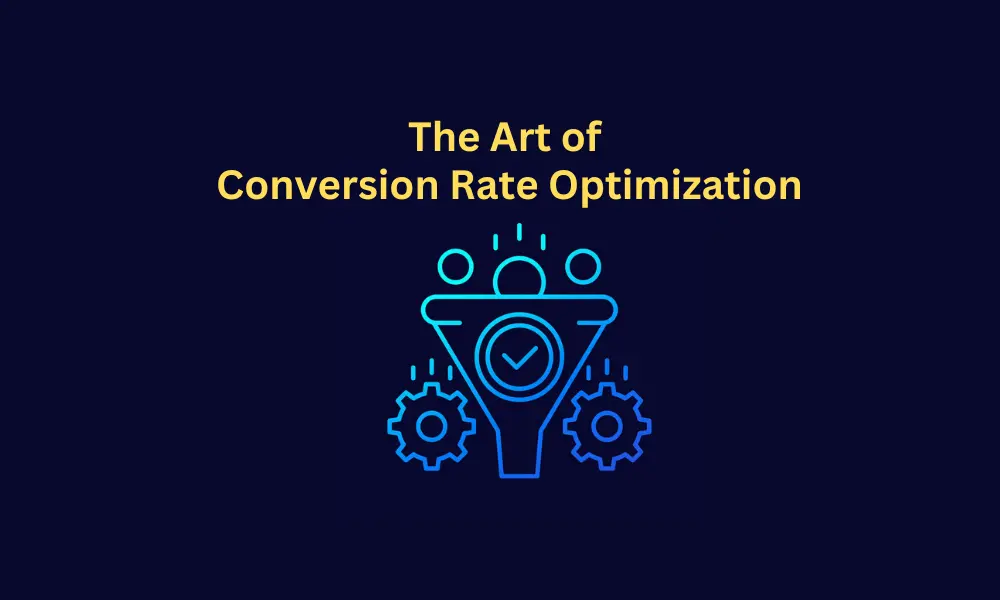
Conversion Rate Optimization (CRO) is an essential digital marketing strategy aimed at increasing the percentage of website visitors who take a desired action. Whether it’s making a purchase, filling out a form, or subscribing to a newsletter, CRO is about fine-tuning your website to convert more visitors into customers. But why is it so crucial, and how can you master this art? Let’s dive in.
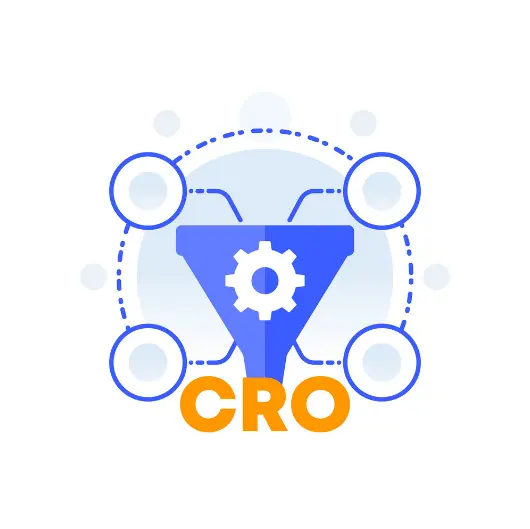
Conversion Rate Optimization is the process of enhancing your website to boost the likelihood of visitors performing specific actions. This could involve adjusting your website design, improving your content, or refining your call-to-actions (CTAs).
Marketers rely on Conversion Rate Optimization (CRO) because it helps maximize the effectiveness of their marketing efforts. By focusing on improving conversion rates, marketers can increase the number of leads or sales generated from their existing traffic. This is crucial for optimizing return on investment (ROI) and making the most of limited marketing budgets.

CRO also allows marketers to gain insights into customer behavior and preferences, enabling them to tailor their strategies for better engagement and conversions. Overall, CRO plays a vital role in driving growth, improving customer experience, and achieving business objectives in a competitive digital landscape.

Analyzing Current Performance
Tools like Google Analytics and Hotjar can provide insights into visitor behavior, highlighting areas where improvements are needed. Set clear, measurable goals for what you want to achieve with your CRO efforts.
Understanding Your Audience
Develop detailed profiles of your ideal customers to better tailor your website experience to their needs. Gather feedback directly from your users to understand their pain points and preferences.
Improving User Experience (UX)
Ensure your website is easy to navigate, with a clear path to conversion. Fast-loading pages reduce bounce rates and improve the overall user experience.
Optimizing Content
Your call-to-actions should be clear, enticing, and strategically placed. Experiment with different headlines, images, and CTAs to see what resonates best with your audience.
Leveraging Social Proof
Positive feedback from existing customers can build trust and encourage conversions. Trust badges and certifications can reassure visitors of your website’s security and credibility.

Conversion Rate: This metric indicates the percentage of visitors who take the desired action, such as making a purchase or signing up for a newsletter. A higher conversion rate signifies better engagement and performance of your website.
Bounce Rate: This measures the percentage of visitors who leave your site after viewing only one page. A high bounce rate could indicate issues with user experience, content relevance, or website load speed, impacting overall conversion rates.
Average Session Duration: This metric reflects the average time visitors spend on your site. A longer duration often indicates engagement and interest in your content, potentially leading to higher conversion rates. It’s crucial for understanding user behavior and optimizing website content and navigation.
There are numerous reasons marketers have to rely on conversation rate optimization.
| Reasons for Conversion Rate Optimization | Explanation |
| Maximizing Marketing ROI | By optimizing your conversion rate, you get more value from your marketing efforts, ensuring that your investment translates into actual sales and growth. |
| Enhancing User Experience | CRO focuses on making your website more user-friendly, which can lead to higher customer satisfaction and retention. |
| Staying Competitive | In today’s digital landscape, staying ahead of the competition means continuously improving your website’s performance and conversion rates. |
| Reducing Acquisition Costs | Effective CRO can lower your customer acquisition costs by converting more of your existing traffic, reducing the need to spend more on attracting new visitors. |
| Building Customer Trust | A well-optimized website that meets customer needs effectively can enhance your brand’s reputation and build long-term trust with your audience. |
Mastering the art of Conversion Rate Optimization is crucial for any business looking to thrive in the digital age. By understanding your audience, analyzing your current performance, and continuously refining your website, you can significantly boost your conversion rates and drive business growth. Remember, CRO is an ongoing process that requires regular attention and adaptation.
Read more : Trends and Predictions for the Digital Landscape in 2024
The main goal of CRO is to increase the percentage of website visitors who take a desired action, such as making a purchase or filling out a form.
Success can be measured using key metrics such as conversion rate, bounce rate, and average session duration. Tools like Google Analytics can provide detailed insights.
Common strategies include improving website design, enhancing content, conducting A/B testing, and leveraging social proof through testimonials and reviews.
CRO is an ongoing process. Regular updates and testing are essential to keep up with changing user behavior and industry trends.
Welcome to my blog! With over 10 years in digital marketing , I’ve seen its incredible impact on smaller businesses. Join me as we explore how digital marketing can grow your audience and boost your business. Whether you’re an experienced entrepreneur or just starting out, you’ll find practical tips and insights to enhance your digital marketing strategies.

The digital landscape is constantly evolving, bringing new technologies and innovations that shape our daily lives and business operations. As we look ahead to 2024, it’s crucial to stay informed about the latest trends and predictions to remain competitive and forward-thinking. So, what can we expect in the coming year?

First, let’s talk about AI and machine learning. These technologies are advancing rapidly, with applications in healthcare, finance, marketing, and beyond. AI is becoming more sophisticated, enabling businesses to analyze vast amounts of data, automate processes, and provide personalized experiences to customers. Moreover, machine learning algorithms are improving, making it possible to predict trends and behaviors with unprecedented accuracy.

Next, 5G technology is set to revolutionize how we connect and communicate. With its faster speeds and lower latency, 5G will enhance everything from streaming services to smart cities. Businesses will benefit from more reliable and efficient communication networks, while consumers will enjoy seamless online experiences. As 5G networks expand globally, the possibilities are endless.

AR and VR are no longer just buzzwords; they are transforming various sectors. In entertainment, AR and VR provide immersive experiences, from gaming to virtual concerts. Education is also benefiting, with virtual classrooms and interactive learning tools becoming more prevalent. As these technologies continue to mature, their applications will expand, offering new ways to engage and educate.
| Sector | Transformation through AR and VR |
| Entertainment | AR and VR provide immersive experiences in gaming, virtual concerts, and movie experiences, creating a more engaging and interactive environment. |
| Education | Virtual classrooms and interactive learning tools enhance the learning experience, making it more engaging and effective by providing realistic simulations and hands-on practice. |
| Healthcare | AR and VR are used for medical training, patient treatment, and therapy, offering new ways to visualize complex surgeries and enabling remote consultations. |
| Retail | These technologies allow customers to try products virtually before buying, improving the shopping experience and increasing sales by reducing return rates. |
| Real Estate | Virtual tours and AR-enhanced property views enable potential buyers to explore properties remotely, making the property search process more efficient and accessible. |
Blockchain technology is making strides, offering secure and transparent ways to conduct transactions. Cryptocurrencies, once seen as niche, are gaining mainstream acceptance. More businesses are adopting blockchain for supply chain management, financial services, and even voting systems.

The decentralized nature of blockchain ensures security and trust, making it a valuable asset in the digital age.
Immutable Ledger: Blockchain maintains an immutable ledger of transactions, ensuring transparency and trust.
Decentralization: Operating on a decentralized network, blockchain eliminates intermediaries, reducing costs and enhancing efficiency.
Smart Contracts: These self-executing contracts automate processes, ensuring agreements are fulfilled without intermediaries.
Cryptocurrency Adoption: Bitcoin and Ethereum are gaining mainstream acceptance, offering fast, secure, and low-cost transactions globally.
In our increasingly digital world, cybersecurity is more critical than ever. With the rise of cyber threats, from phishing attacks to ransomware, businesses must prioritize robust security measures. Innovations in cybersecurity, such as AI-driven threat detection and zero-trust architecture, are helping to mitigate risks. Staying vigilant and updated on the latest security trends is essential to protect sensitive data.

E-commerce is booming, with more consumers shopping online than ever before. Innovative platforms and technologies are enhancing the online shopping experience, from personalized recommendations to virtual try-ons.
Businesses are leveraging AI and data analytics to understand consumer behavior and optimize their offerings. As e-commerce continues to grow, the focus will be on creating seamless and engaging shopping experiences.
Sustainability is becoming a key focus in technology development. Companies are investing in eco-friendly solutions, from renewable energy to green computing. The push for sustainability is driven by both consumer demand and regulatory pressures. As we move forward, sustainable technology will play a crucial role in addressing environmental challenges and promoting a greener future.
Edge computing is gaining traction as an alternative to traditional cloud computing. By processing data closer to the source, edge computing reduces latency and enhances real-time decision-making. This is particularly valuable for IoT devices and applications requiring instant responses. As edge computing technology advances, it will offer new possibilities for faster and more efficient data processing.

The Internet of Things (IoT) continues to expand, with more devices becoming interconnected. From smart homes to industrial automation, IoT is transforming how we live and work. These devices collect and share data, enabling improved efficiency and convenience. As IoT technology evolves, its impact will be felt across various sectors, enhancing productivity and innovation.

In conclusion, navigating the digital landscape in 2024 requires staying informed and adaptable. From AI advancements to the growth of e-commerce, the trends and predictions outlined above highlight the exciting possibilities and challenges ahead. By embracing these changes and investing in innovative solutions, businesses and individuals can thrive in the digital landscape. So, are you ready to embrace the future?
Read more : Maximizing ROI with PPC Campaigns
Read more : Power of AI in Customer Engagement for Furniture Stores
AI will continue to advance, offering more sophisticated solutions for various industries, from healthcare to finance. It will enable better data analysis, automation, and personalized experiences.
5G will enhance connectivity with faster speeds and lower latency, improving everything from streaming to smart city applications. It will offer more reliable communication networks for both businesses and consumers.
Hybrid work models offer flexibility, combining remote and in-office work. They improve work-life balance, increase productivity, and provide access to a wider talent pool.
With the rise of digital threats, robust cybersecurity measures are essential to protect sensitive data and prevent attacks. Innovations like AI-driven threat detection are crucial in mitigating risks.
Welcome to my blog! With over 10 years in digital marketing , I’ve seen its incredible impact on smaller businesses. Join me as we explore how digital marketing can grow your audience and boost your business. Whether you’re an experienced entrepreneur or just starting out, you’ll find practical tips and insights to enhance your digital marketing strategies.
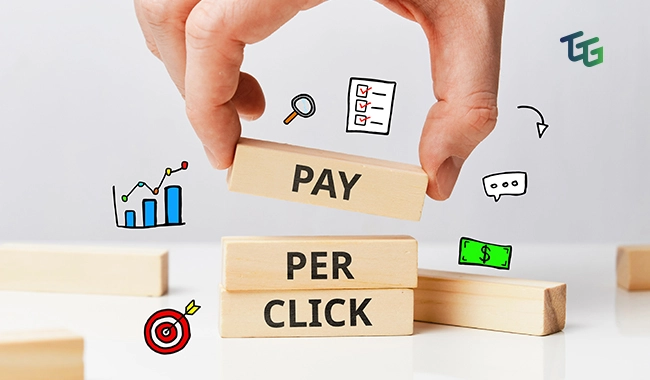
Return on Investment (ROI) is a critical metric for any business, as it measures the profitability of investments. In the realm of digital marketing, Pay-Per-Click (PPC) campaigns are a powerful tool to drive traffic, generate leads, and ultimately, boost ROI. So, how can you maximizing ROI with PPC campaigns? Let’s delve into the intricacies of PPC and uncover strategies to enhance your investment returns.

First and foremost, what exactly is PPC? Pay-Per-Click is an online advertising model where advertisers pay a fee each time their ad is clicked. Essentially, it’s a way of buying visits to your site, rather than attempting to “earn” those visits organically. Key components of PPC include keywords, ad copy, landing pages, and bid management.

To maximize ROI, you must set clear objectives for your PPC campaigns. Start by defining your goals: Are you looking to increase website traffic, generate leads, or boost sales? Align these goals with your broader business objectives to ensure coherence and effectiveness.
Selecting the appropriate platform is crucial. Google Ads is the most popular choice, offering extensive reach and robust tools. Bing Ads, though less ubiquitous, can provide a cost-effective alternative with a different audience. Social media platforms like Facebook, Instagram, and LinkedIn also offer PPC options, allowing you to target specific demographics.

| Point | Explanation |
| Google Ads | Google Ads is the most popular choice for PPC campaigns. It offers extensive reach, robust tools, and detailed analytics, making it ideal for businesses looking to target a broad audience. |
| Bing Ads | Although less ubiquitous than Google Ads, Bing Ads can be a cost-effective alternative. It reaches a different audience and often has lower competition, potentially reducing CPC (cost per click). |
| Facebook Ads | Facebook Ads allows for highly targeted campaigns based on user demographics, interests, and behaviors. It is especially effective for businesses aiming to engage with a specific community or interest group. |
| Instagram Ads | Integrated with Facebook, Instagram Ads leverage visual content to engage users. This platform is perfect for brands with strong visual elements, targeting younger demographics. |
| LinkedIn Ads | LinkedIn Ads are optimal for B2B marketing, enabling precise targeting of professionals based on job title, industry, and company size. It is a great choice for businesses seeking professional or corporate audiences. |
Keywords are the foundation of any PPC campaign. Thorough keyword research ensures that your ads appear to the right audience. Utilize tools like Google Keyword Planner, SEMrush, or Ahrefs to discover relevant keywords with high search volume and low competition. Remember, the right keywords can significantly impact your ROI.
Crafting compelling ad copy is an art. Your headlines should be attention-grabbing, while the descriptions need to be persuasive. Highlight unique selling points, use action verbs, and include a strong call-to-action (CTA). Effective ad copy not only attracts clicks but also drives conversions.
The landing page is where the magic happens. It’s crucial that your landing pages are designed to convert visitors into customers. Ensure they are relevant to the ad, load quickly, and are mobile-friendly. Key elements of a high-converting landing page include a clear headline, concise content, strong CTA, and user-friendly design.
Effective budget management is essential for maximizing ROI. Start by setting a realistic budget based on your goals and financial capacity. Monitor your spend closely to avoid overspending. Tools like Google Ads’ budget planner can help you track and manage your budget efficiently.

Choosing the right bid strategy can make a significant difference. You can opt for manual bidding, where you control the cost per click, or automated bidding, where the platform optimizes bids to achieve your goals. Consider your campaign objectives, budget, and experience level when selecting a bid strategy.
Tracking and analytics are paramount for measuring the success of your PPC campaigns. Tools like Google Analytics, Google Ads, and third-party solutions provide insights into performance metrics such as CTR, conversion rate, and cost per conversion. These insights are invaluable for making informed decisions.

Even seasoned marketers can make mistakes in PPC campaigns. Avoid overlooking mobile optimization, as a significant portion of users access ads via mobile devices. Ignoring negative keywords can also lead to wasted spend on irrelevant clicks. Stay vigilant and proactive in addressing these common pitfalls.
Maximizing ROI with PPC campaigns requires a strategic approach, from setting clear objectives and choosing the right platform to conducting thorough keyword research and continuous optimization. By implementing these best practices, you can ensure that your PPC efforts drive substantial returns on your investment.
Read more : The Rise of Influencer Marketing: How to Partner with Influencers
PPC, or Pay-Per-Click, is an online advertising model where advertisers pay a fee each time their ad is clicked, essentially buying visits to their site.
Set a budget based on your campaign goals and financial capacity. Use tools like Google Ads’ budget planner to monitor and manage you spend effectively.
Effective strategies include thorough keyword research, compelling ad copy, optimized landing pages, proper budget management, and continuous A/B testing and optimization.
Utilize tracking and analytics tools like Google Analytics and Google Ads to monitor performance metrics such as CTR, conversion rate, and cost per conversion.
Welcome to my blog! With over 10 years in digital marketing , I’ve seen its incredible impact on smaller businesses. Join me as we explore how digital marketing can grow your audience and boost your business. Whether you’re an experienced entrepreneur or just starting out, you’ll find practical tips and insights to enhance your digital marketing strategies.
07884 989404
info@darkcyan-horse-266782.hostingersite.com
Unit 13-14 Upper Villiers Street, Wolverhampton, United Kingdom, WV2 4NP
